From prayer to action: how ProLIS is shaping a generation of responsible Ukrainians
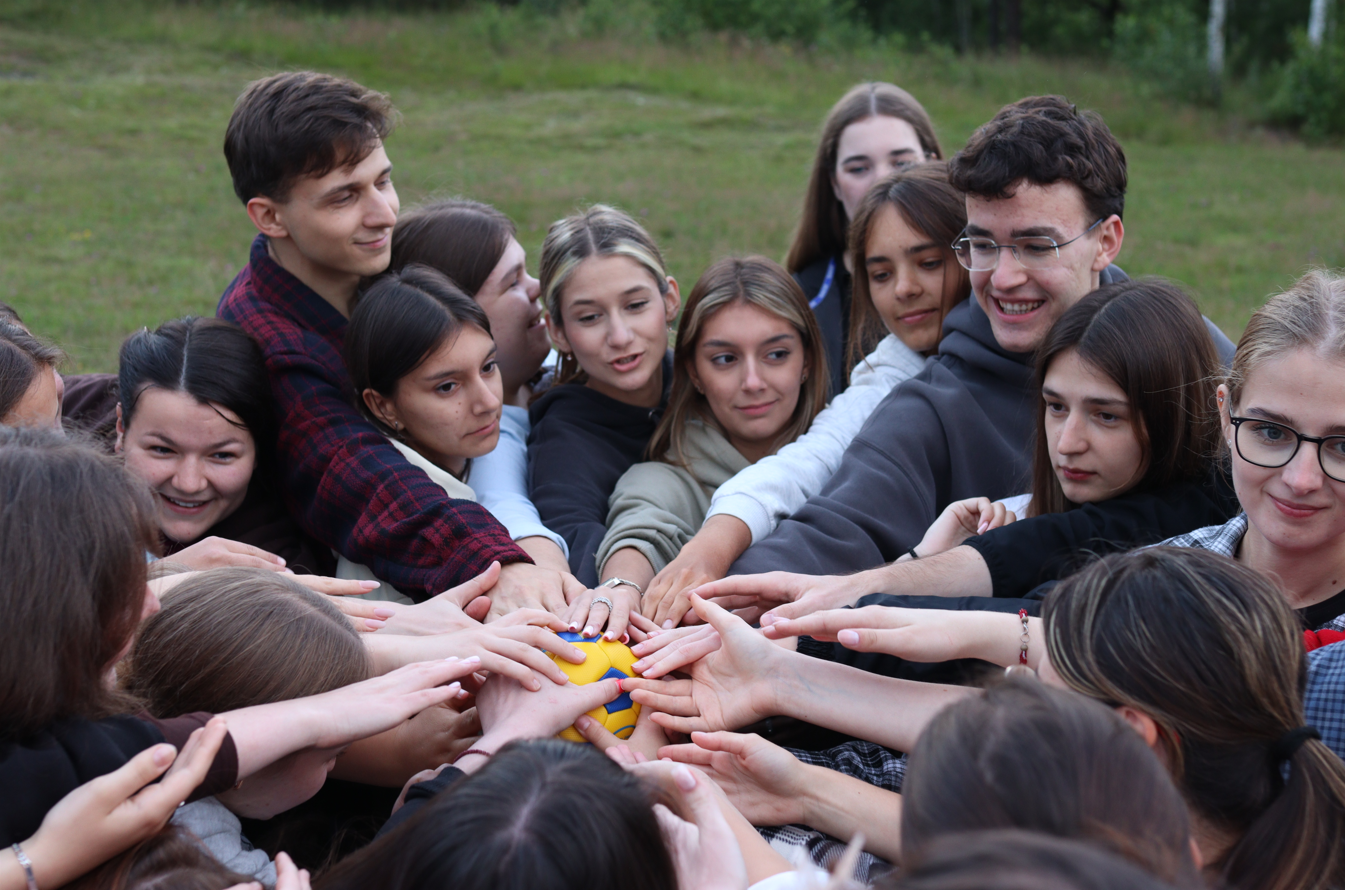
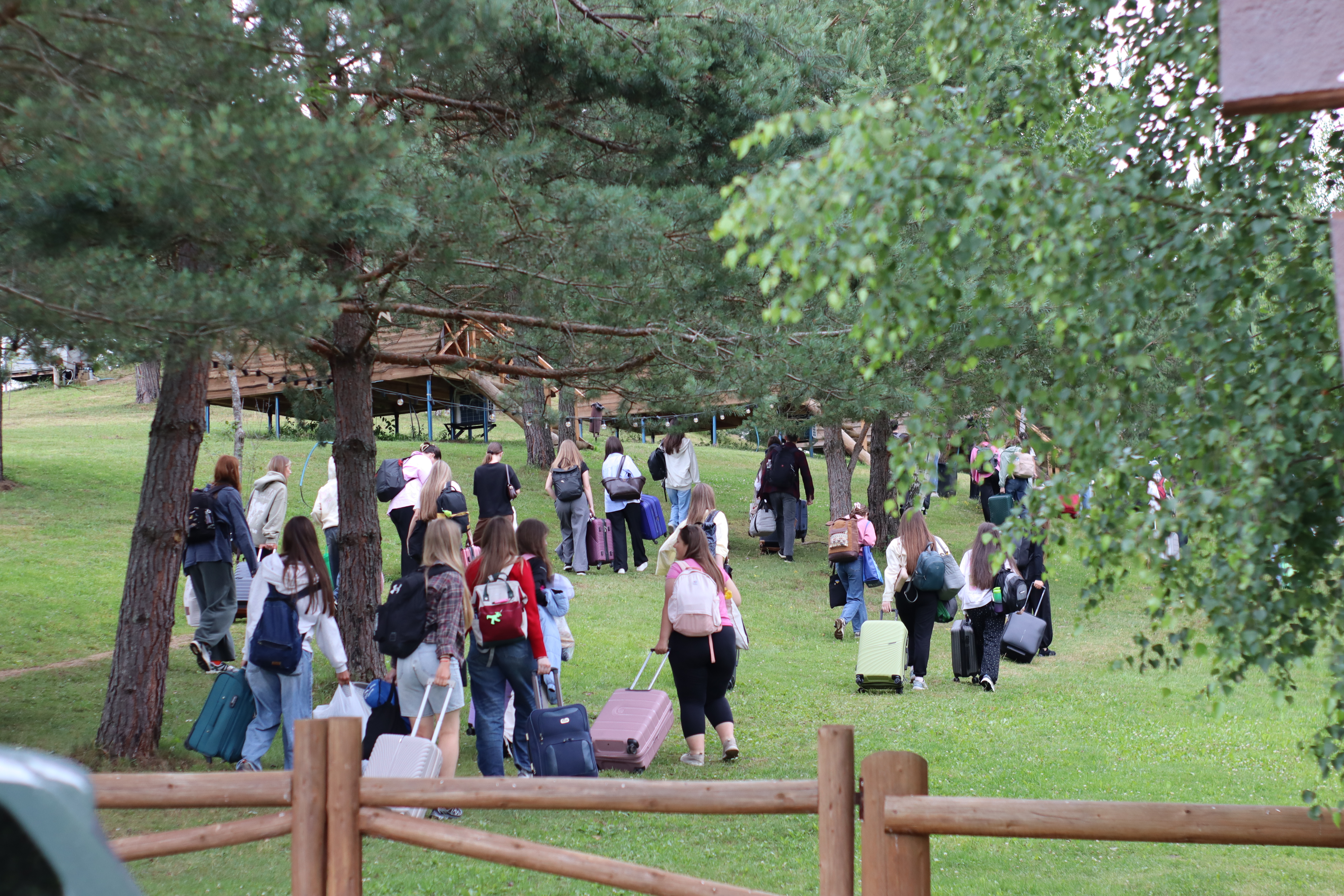
ProLIS ProLISFor seven days, from July 12 to 18, the picturesque hills of Mshanets became a gathering place for fifty young people from across Ukraine who took part in the ProLIS Worldview Camp. This unique initiative of the Patriarchal Commission of the Ukrainian Greek Catholic Church for Youth brought together young leaders who are already actively serving their local communities, mentoring the next generation of Ukrainians, fostering a culture of responsible citizenship, and bearing witness to Christian values through their daily lives.
Seven Days of Prayer, Dialogue, and Discovery
A particularly meaningful aspect of the camp was the personal presence of Bishop Bryan Bayda, Chairman of the Patriarchal Commission of the UGCC for Youth, who not only supported the initiative but also remained actively involved throughout the entire week. He participated in every aspect of camp life, engaged in conversations with the participants, shared his own experience of ministry, and inspired the young people to embrace responsible Christian leadership. The spiritual life of the camp became its very heart.
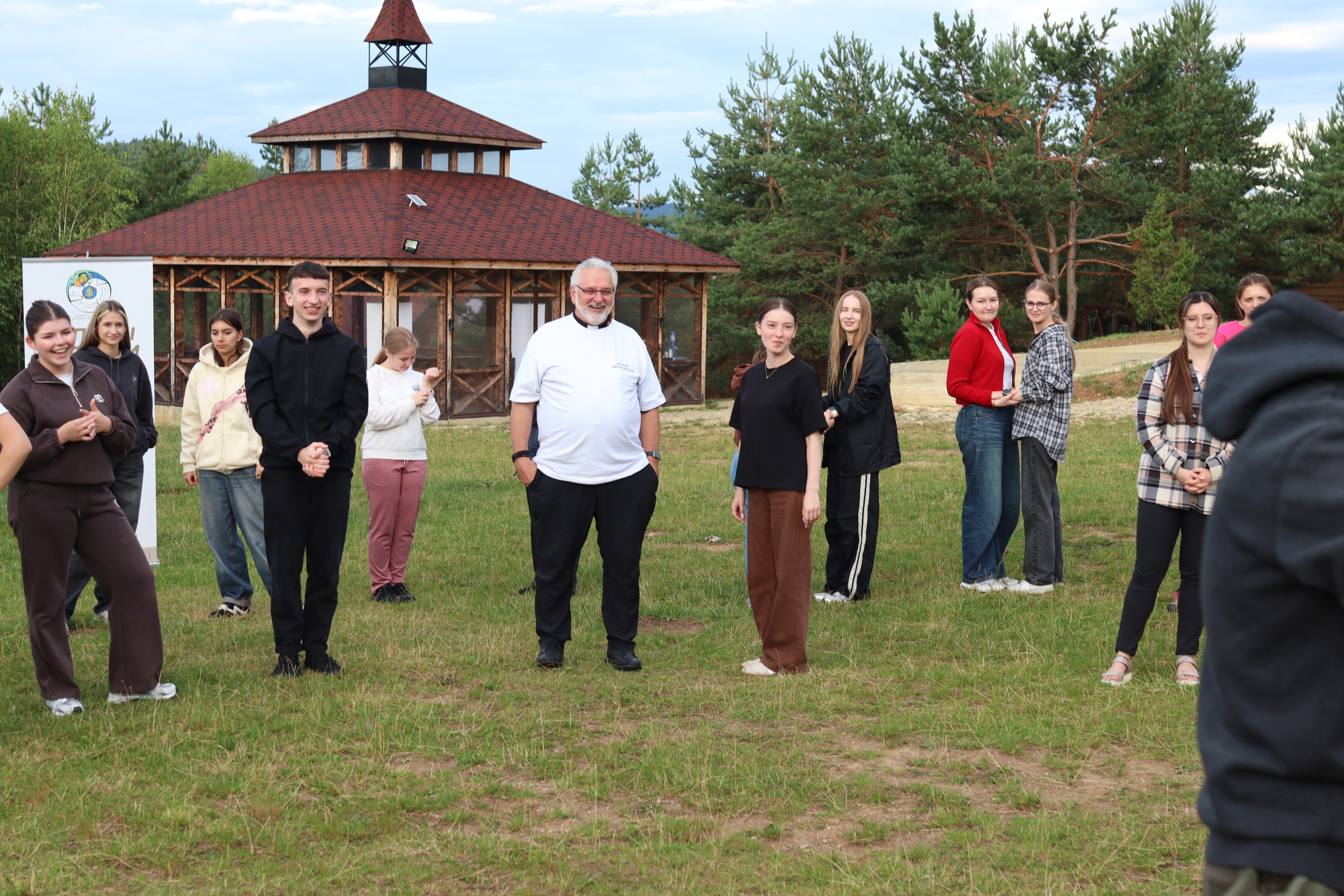
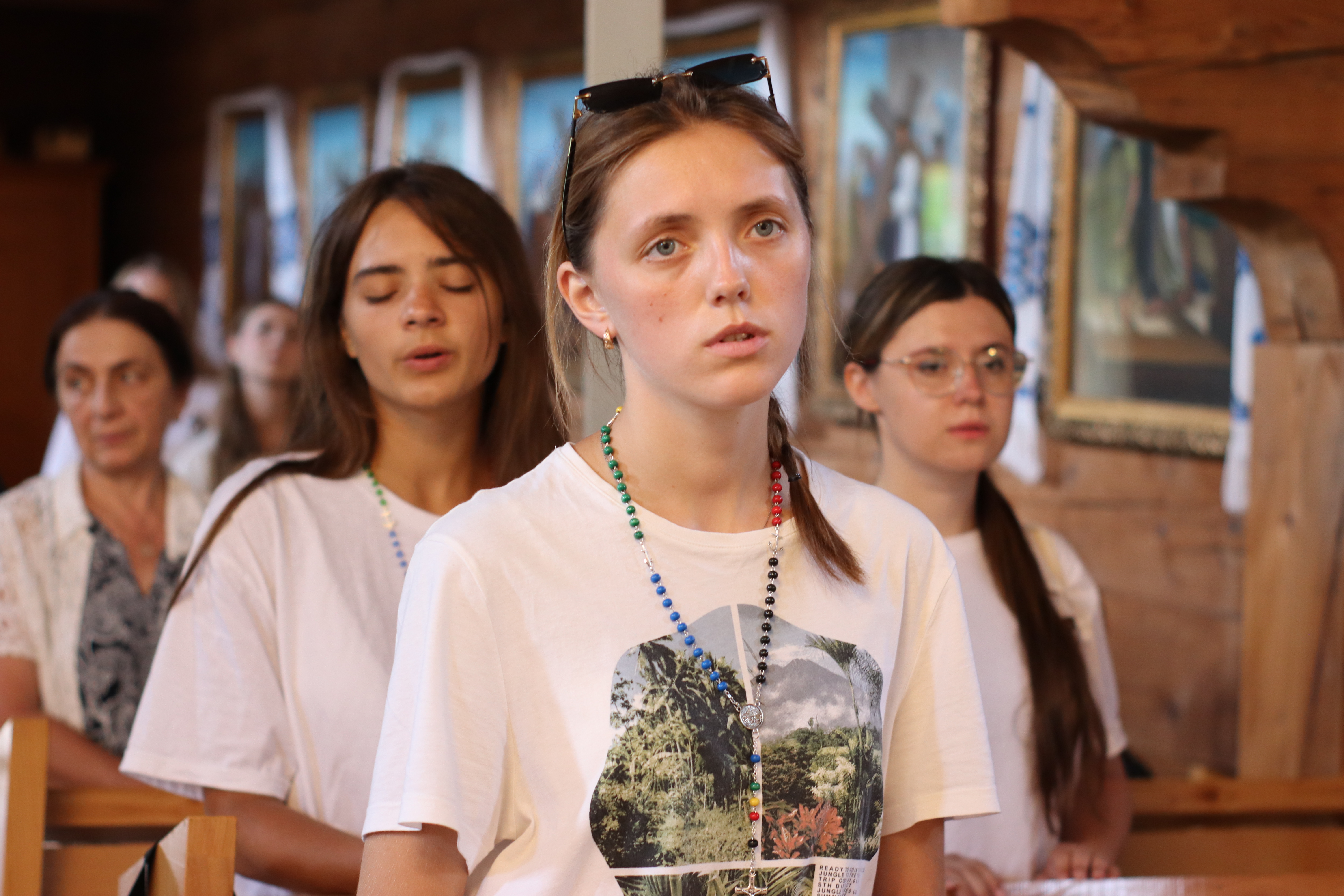
Each day began at 7:00 a.m. with communal prayer and reflections on the words of Saint Teresa of Calcutta, setting the tone for the day and inviting participants to reflect more deeply on their vocation to serve. Following morning prayer, those who wished gathered for a workout before heading to the chapel for a meditation on Sacred Scripture led each day by Fr. Roman Demush, Deputy Head of the Patriarchal Commission of the Ukrainian Greek Catholic Church for Youth. These daily Scripture reflections encouraged participants to engage more deeply with God's Word, listen attentively to the Lord, meditate on the Gospel, and seek answers to life's most important questions in the light of God's revelation.
Spiritual accompaniment also held a central place in the ProLIS program. Fr. Oleh Zdrenyk offered individual spiritual guidance throughout the camp, providing participants with the opportunity to speak personally with a priest—an experience many found profoundly meaningful. Every day, dozens of one-on-one conversations took place, allowing young people to speak openly about their doubts, personal journeys, life challenges, and faith. For many participants, these encounters became among the most valuable and transformative moments of the entire camp.
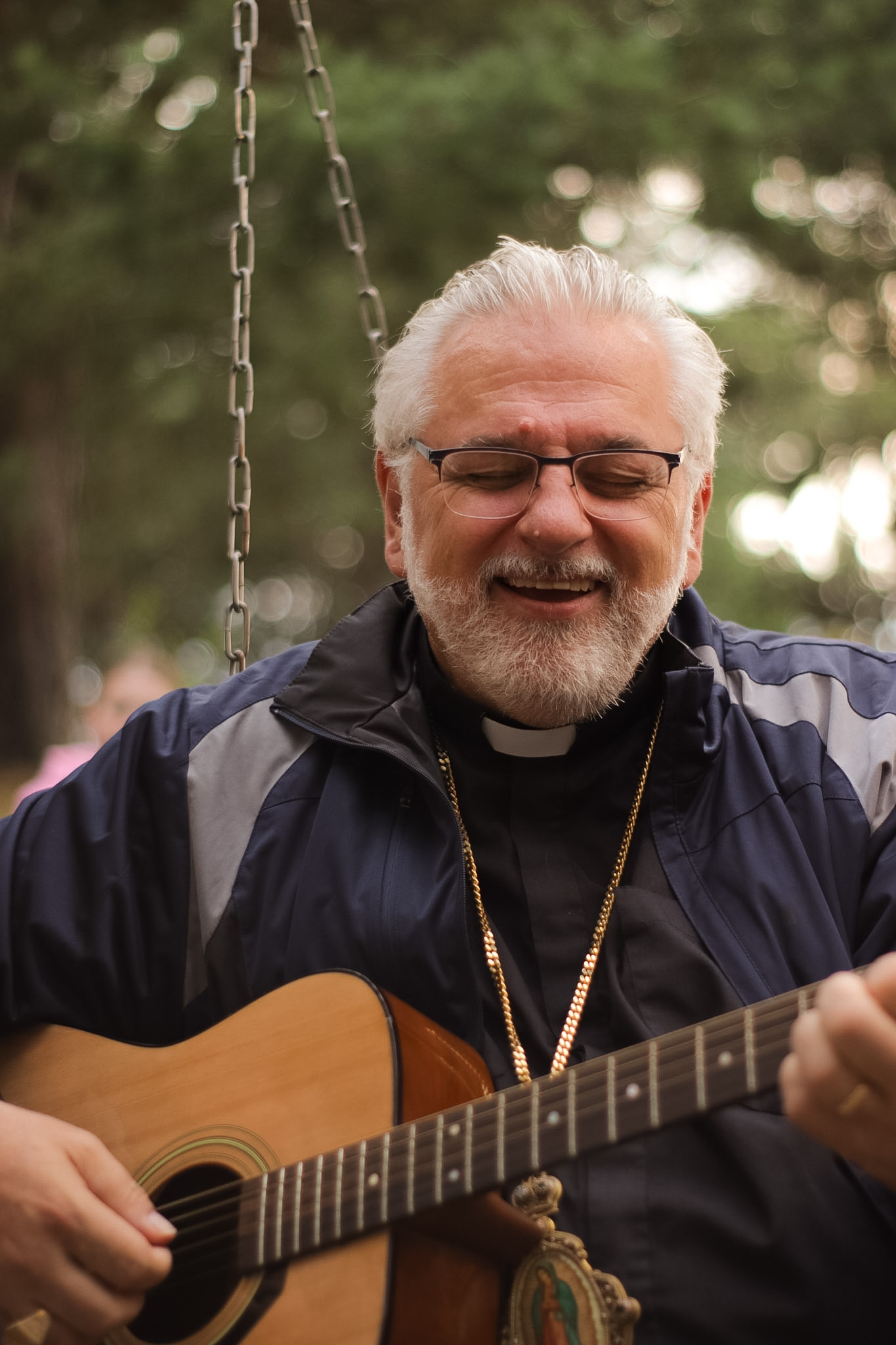
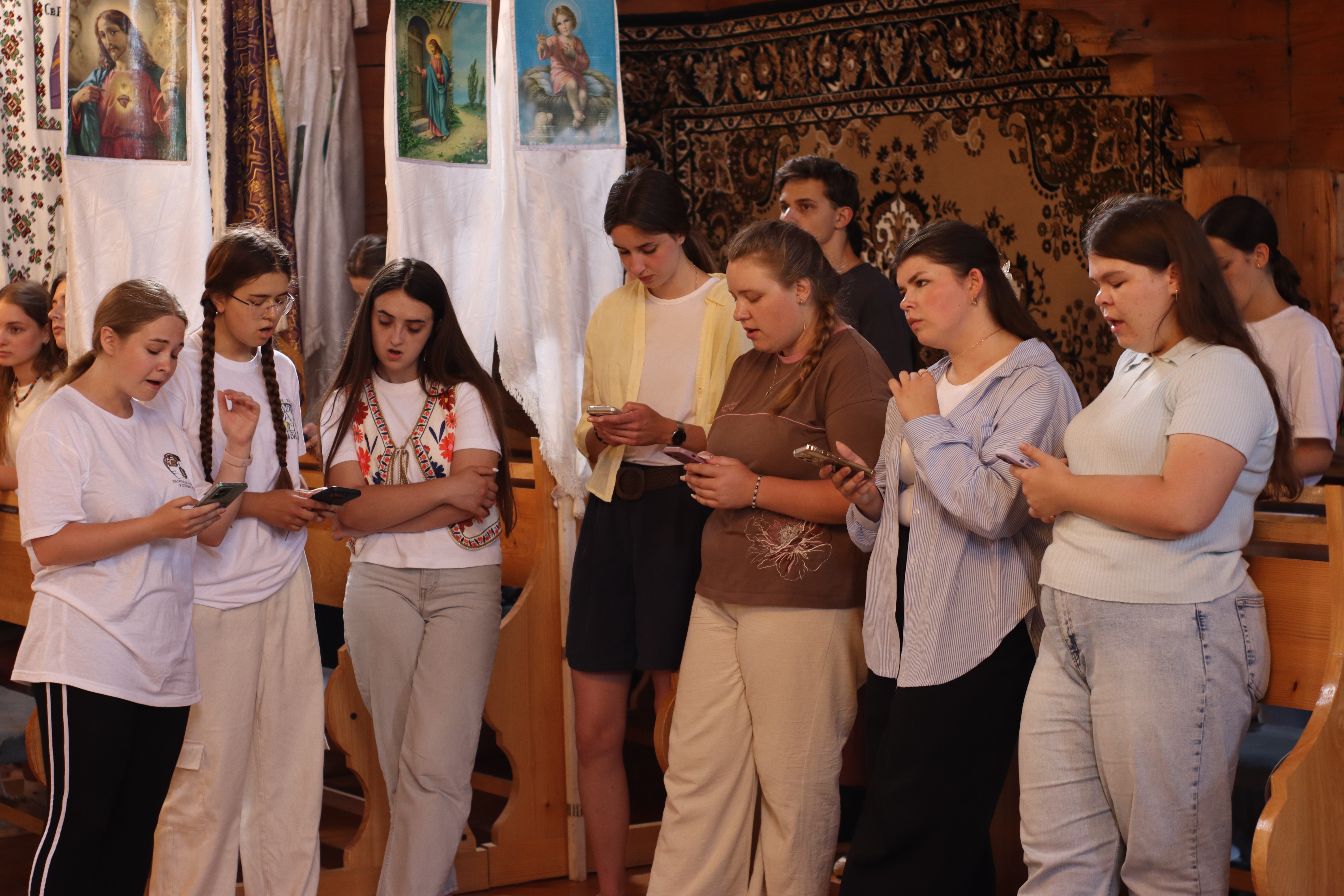
The culmination of each day was the Hierarchical Divine Liturgy, celebrated by Bishop Bryan Bayda at the Church of the Dormition of the Most Holy Theotokos in the village of Mshanets, concelebrated with the priests accompanying the camp. Local parishioners joined the camp participants for prayer each day, making the liturgical celebrations a powerful expression of communion between the young people and the local community. Daily reflection on God's Word, participation in the Holy Eucharist, and shared prayer became the spiritual foundation of the entire camp, helping each participant discover more deeply their vocation and their responsibility for the future of Ukraine.
Ten lectures, ten perspectives on today's challenges
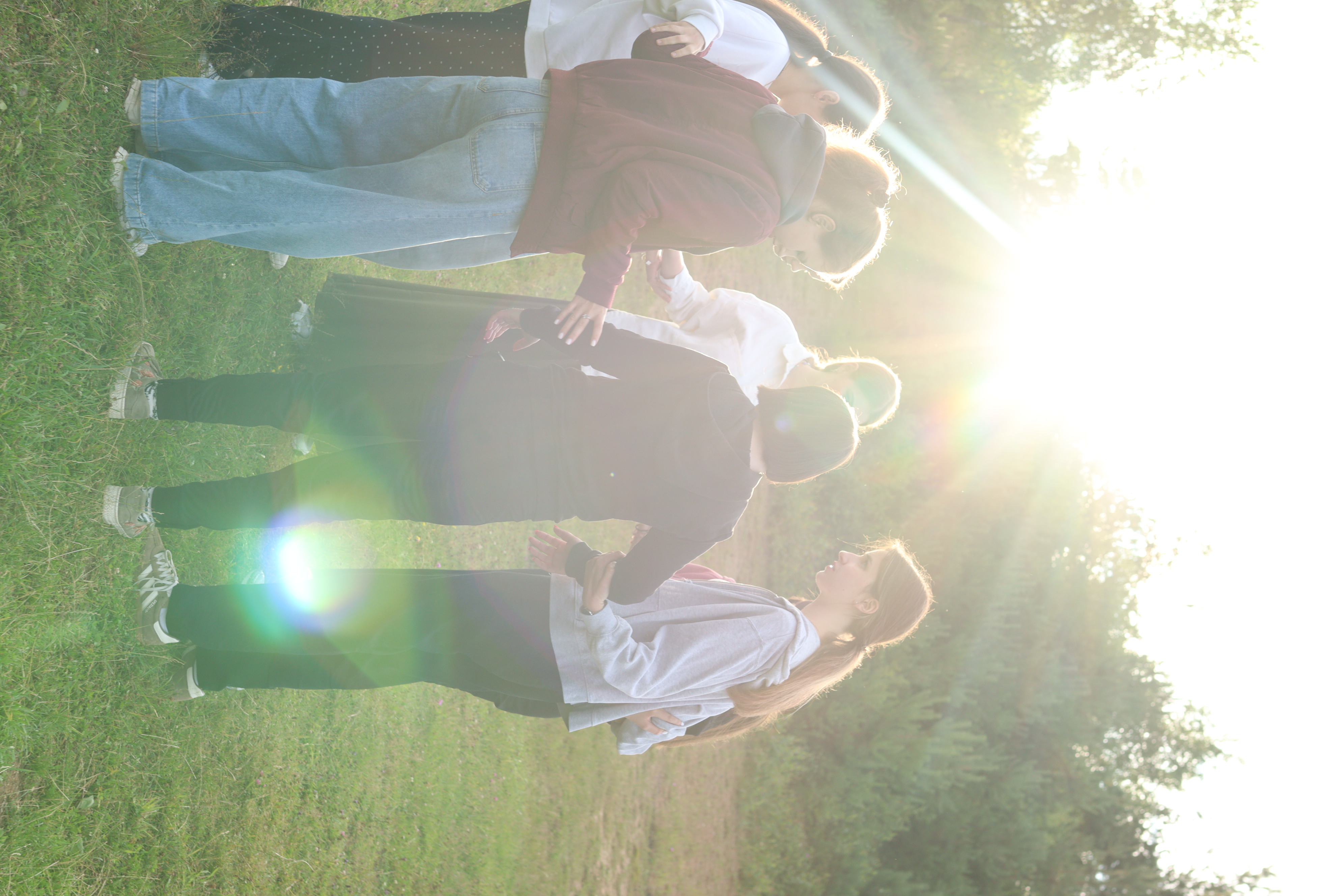
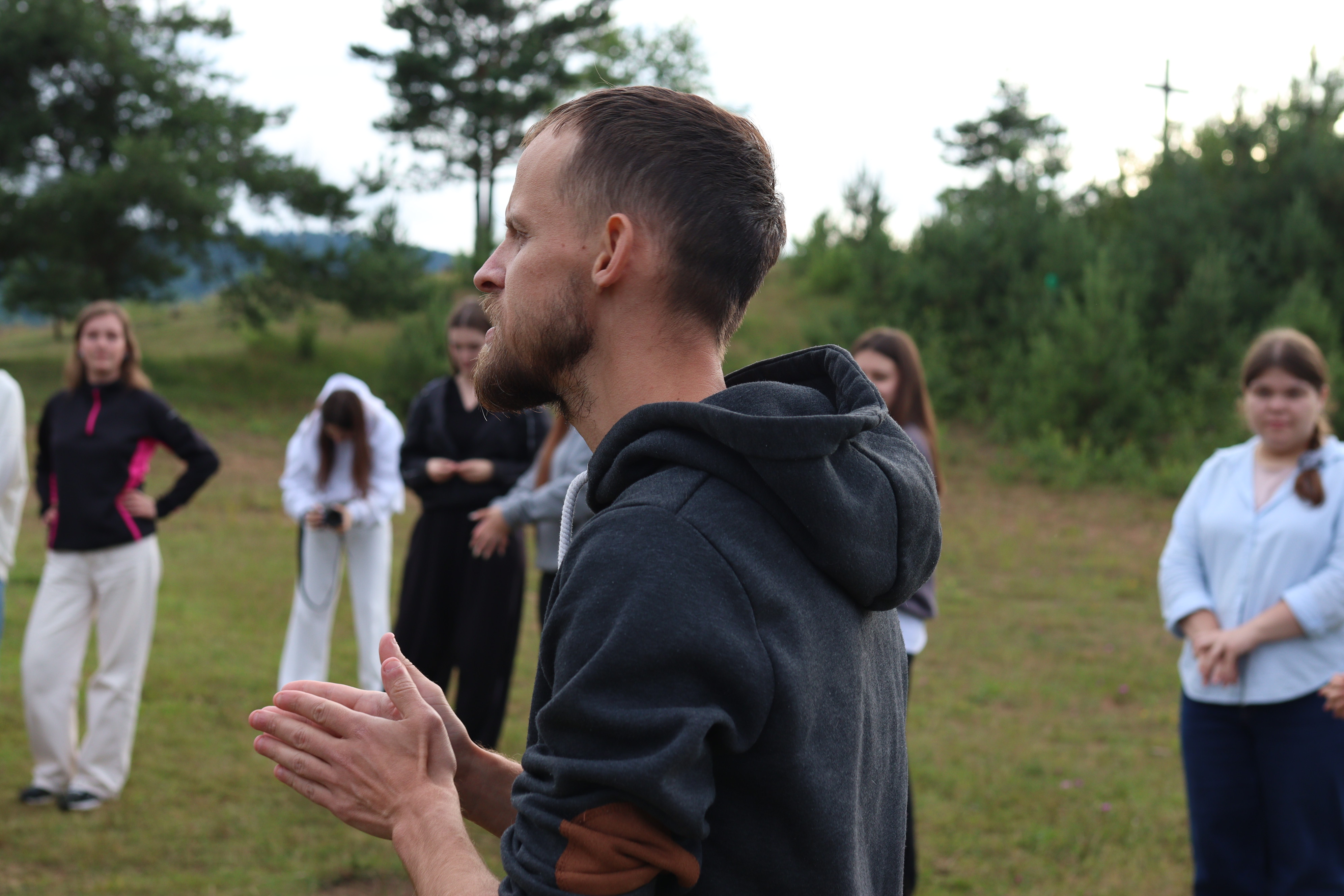
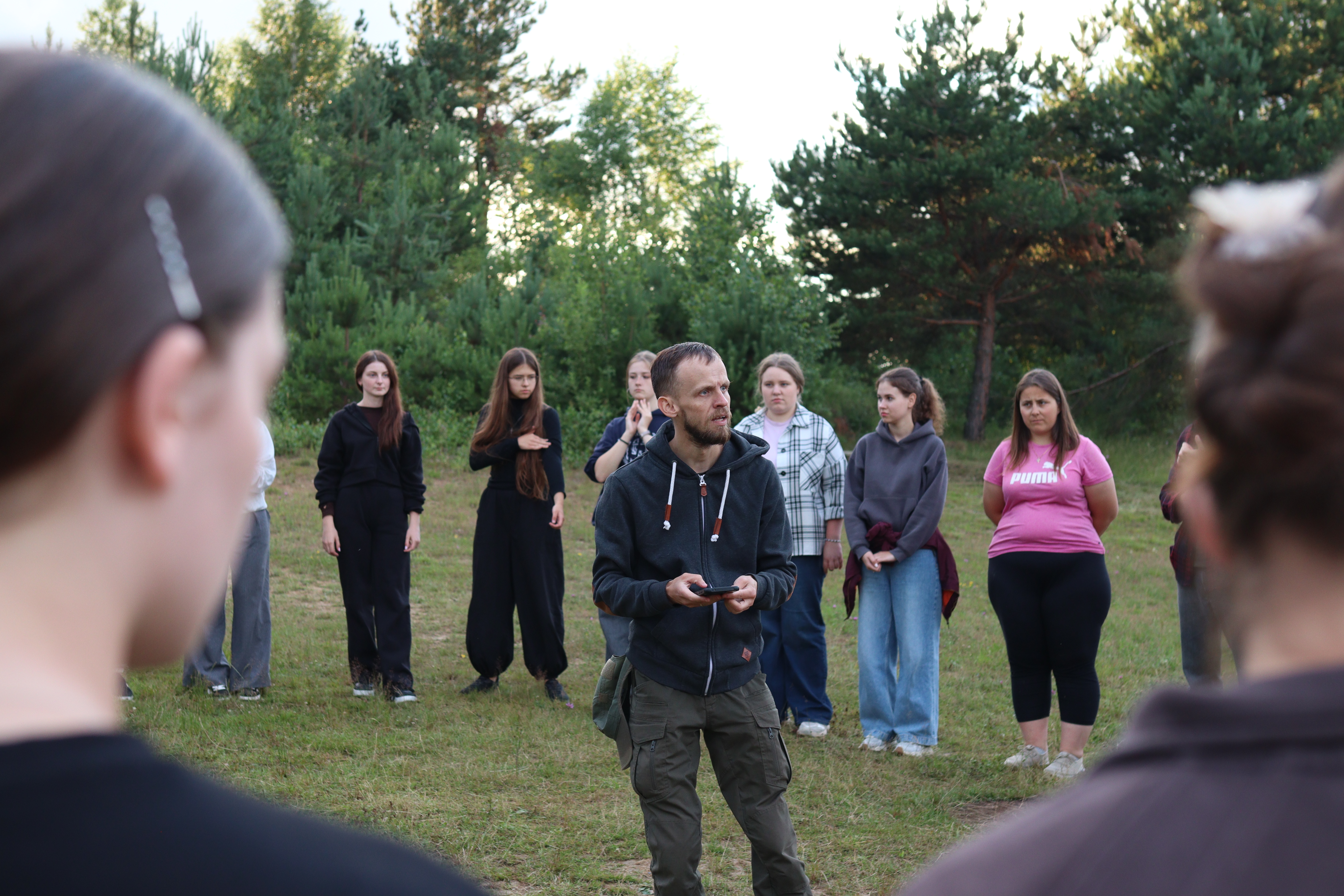
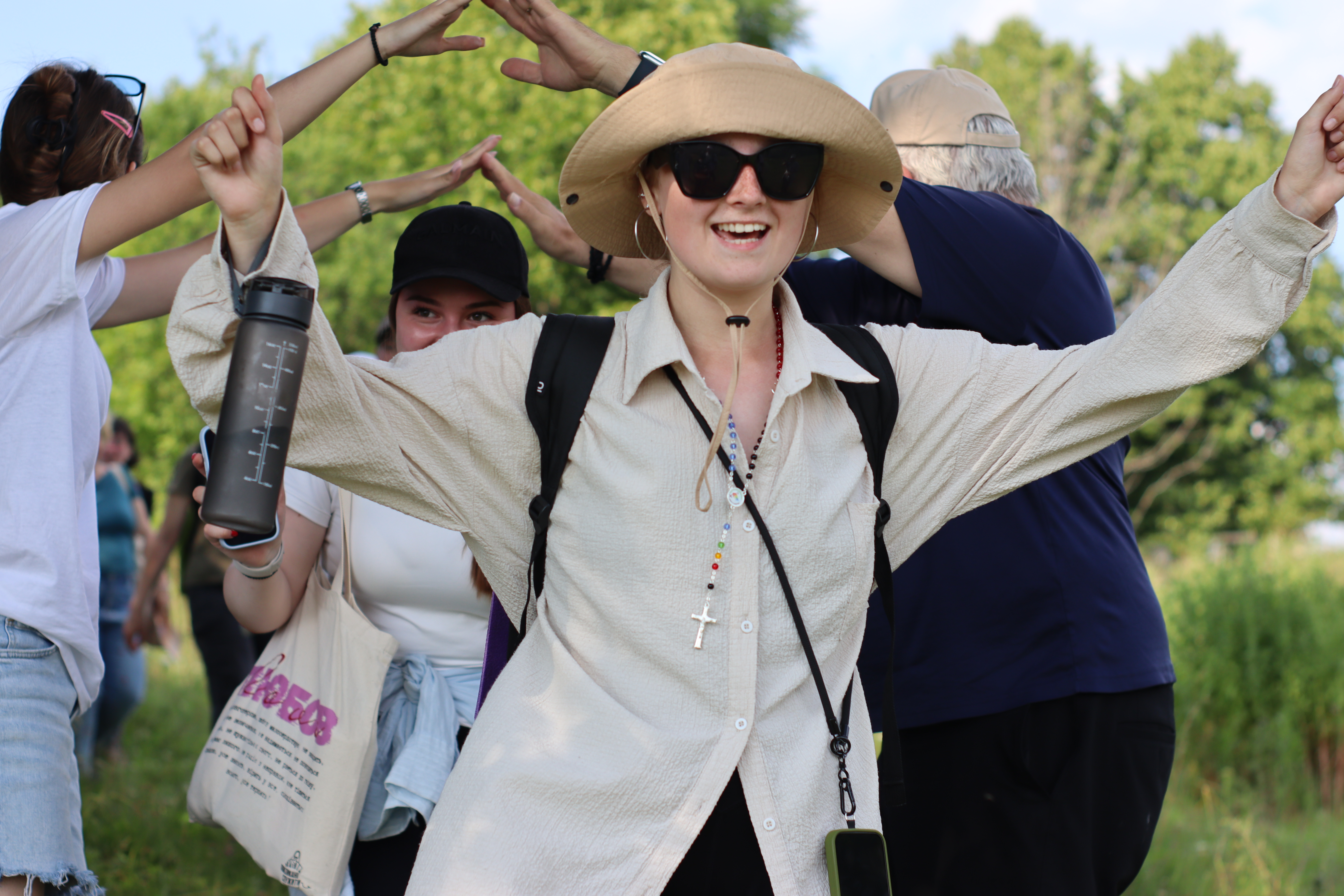
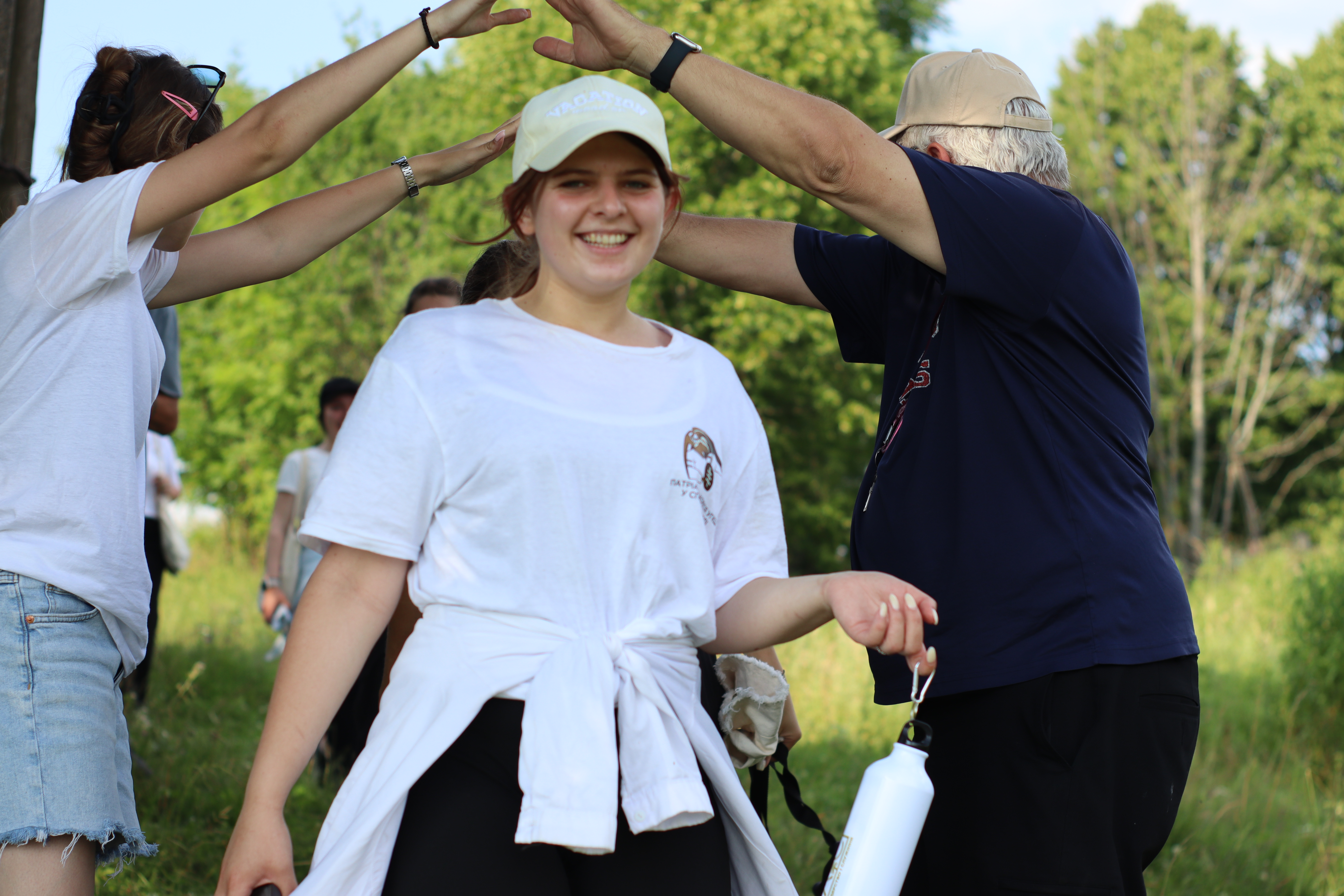
An essential part of the ProLIS Worldview Camp was its intellectual program, which brought together distinguished speakers recognized for their expertise in a wide range of fields. Each lecture offered not only new knowledge but also an invitation to reflect more deeply on personal responsibility, vocation, and the role of young people in contemporary Ukrainian society. On the very first evening, participants had the opportunity to get to know one another through an interactive team-building program led by Taras Kosar, a veteran, psychologist, and trainer. Through team exercises, collaborative games, and guided conversations, he helped create an atmosphere of openness and trust. These activities enabled participants not only to learn each other's names but also to quickly overcome barriers, build meaningful connections, and lay the foundation for sincere dialogue and cooperation throughout the week
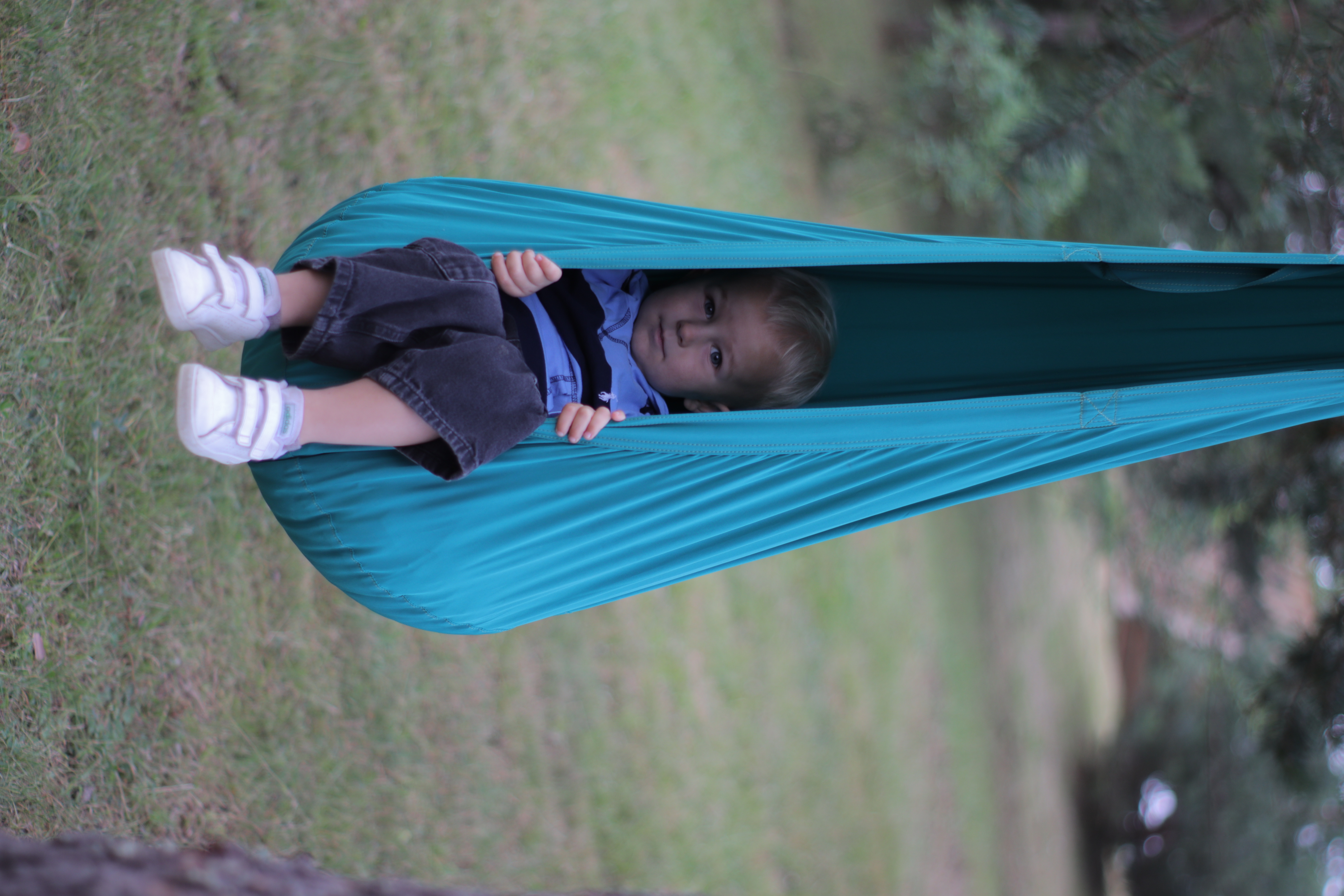
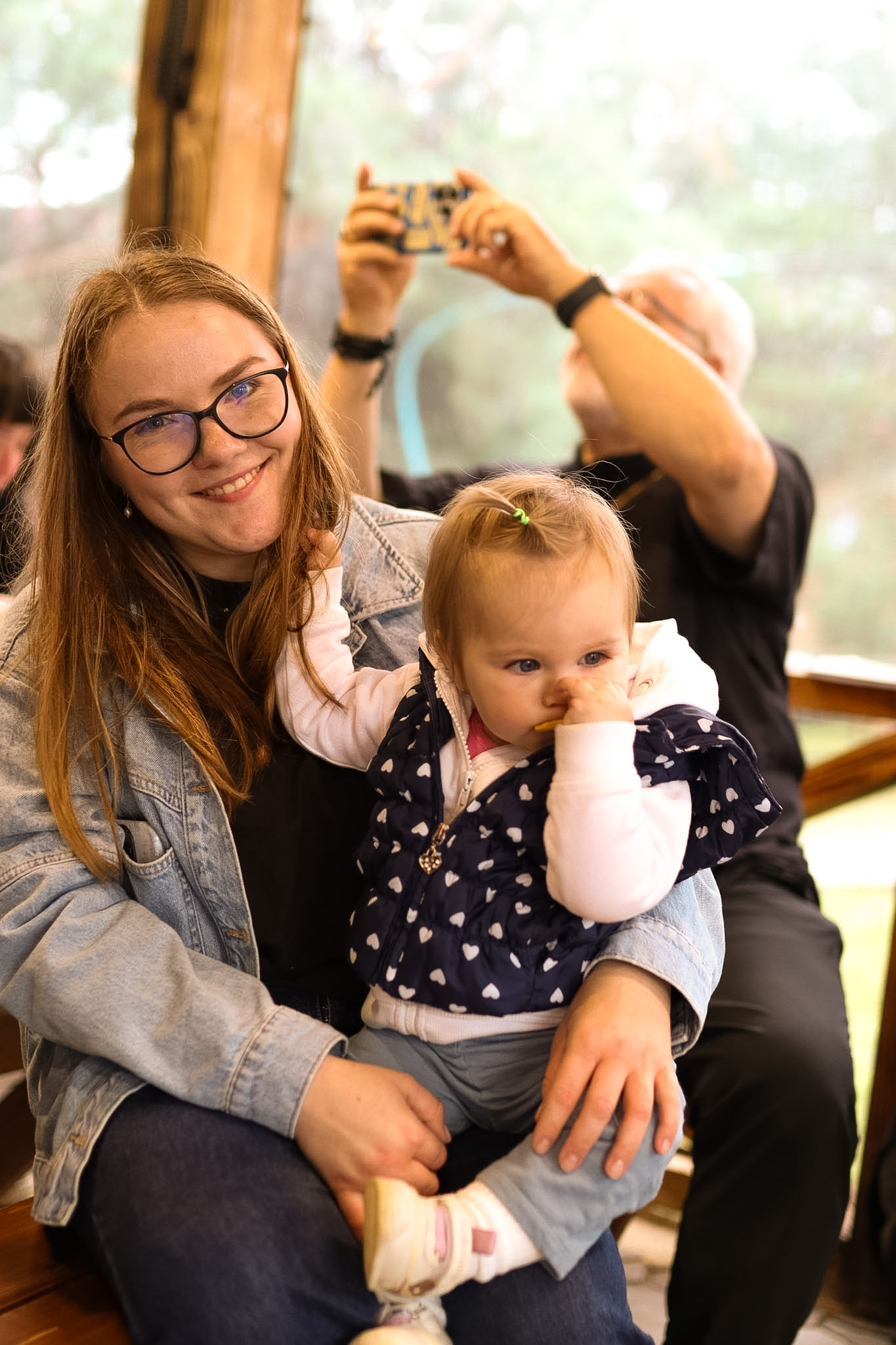
Among the first speakers was Fr. Rostyslav Pendyuk, who led the Patriarchal Commission of the Ukrainian Greek Catholic Church for Youth for twenty-four years. His session quickly evolved into an open and heartfelt dialogue about values, purpose, and the art of living a meaningful life. At the heart of his message was the conviction that a truly fulfilled life is measured not by the number of achievements, but by the depth of one's relationship with God, with other people, and with oneself.
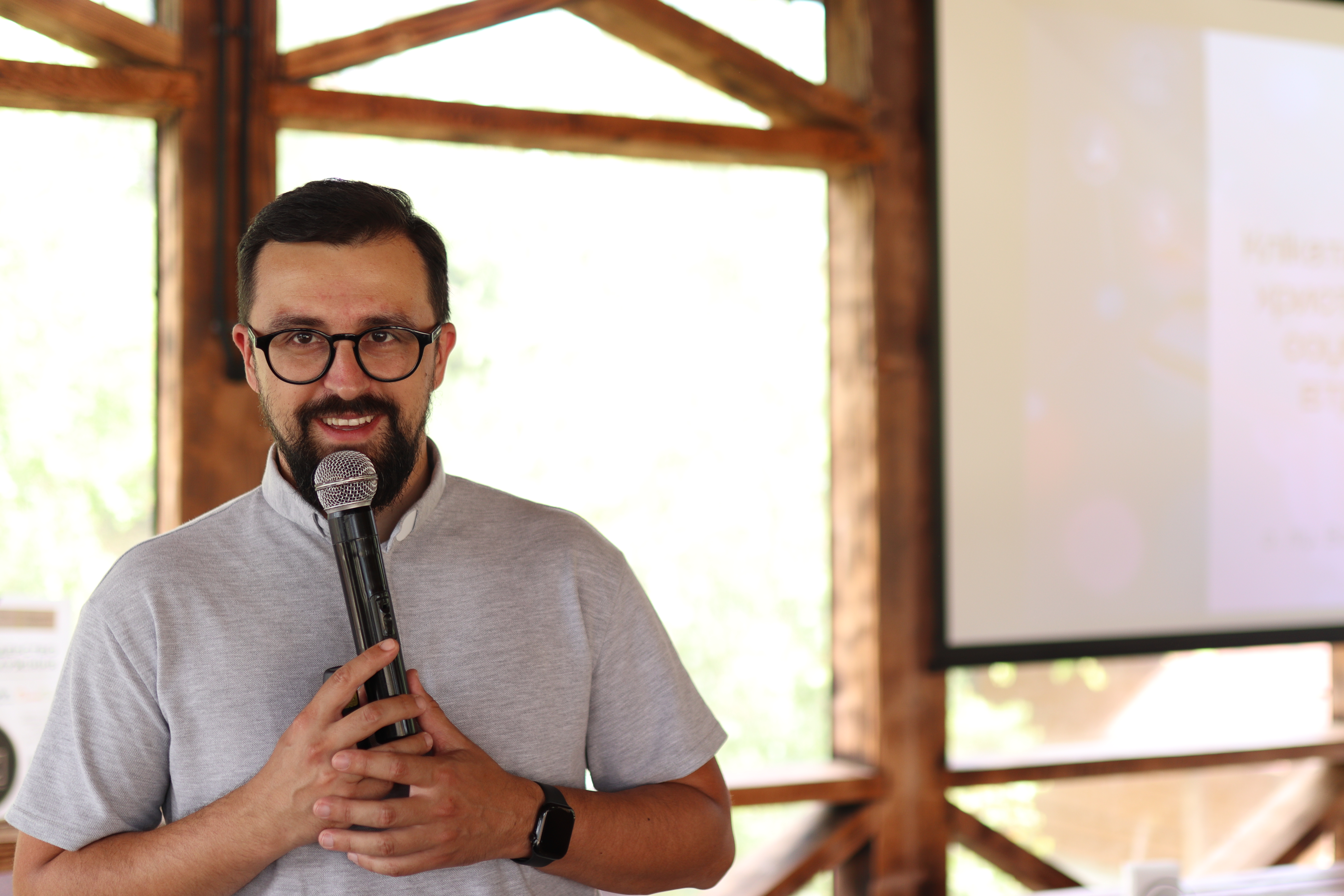
Participants also explored the challenges of today's information environment with Fr. Volodymyr Lukashevskyi, a journalist and media expert. His lecture focused on media literacy, information security, and critical thinking. Together, the participants examined how information manipulation works, why it is essential to verify sources, and how to avoid becoming a victim of propaganda and disinformation. He placed particular emphasis on the personal responsibility each individual bears for the information they consume and share.
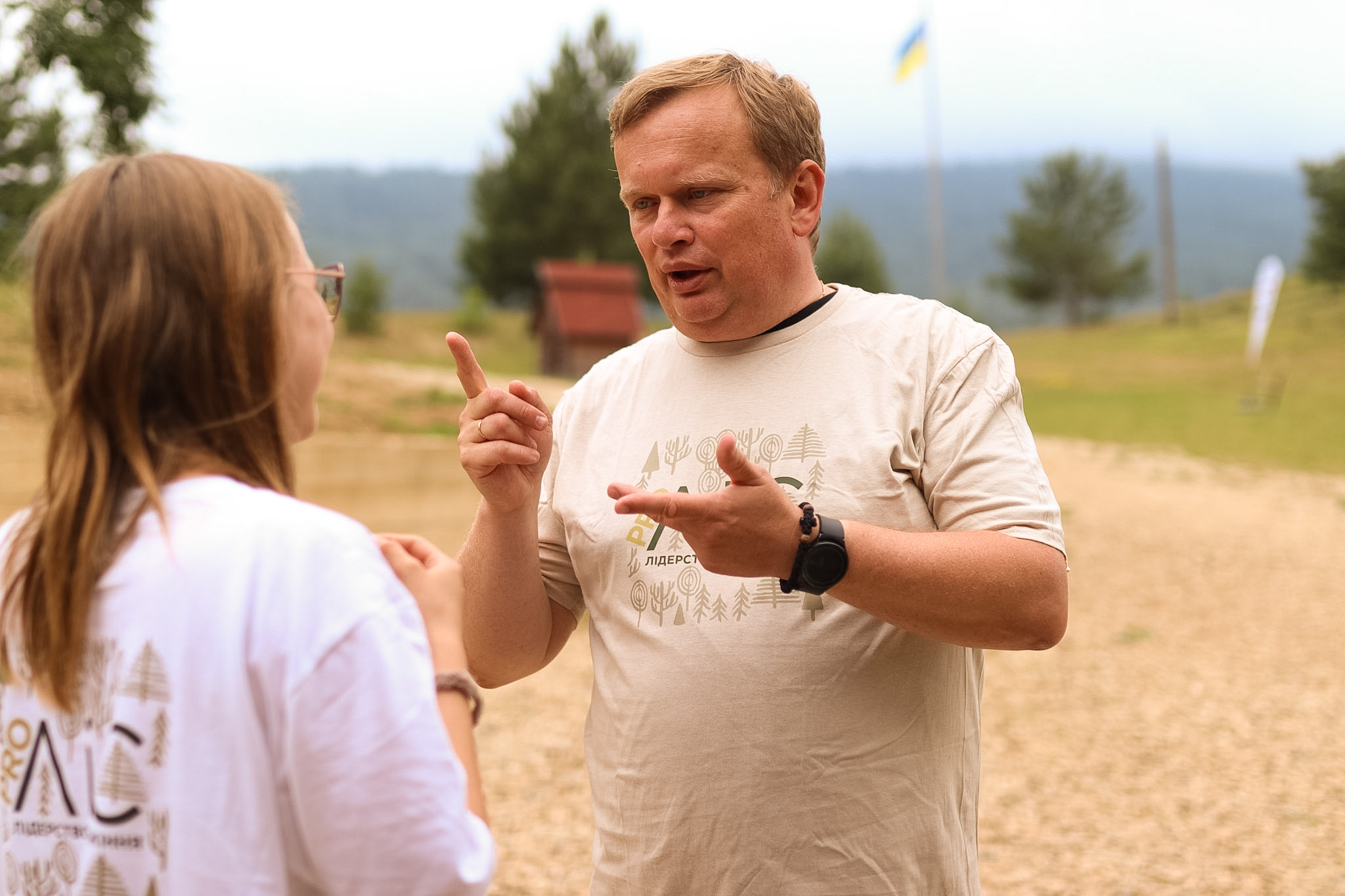
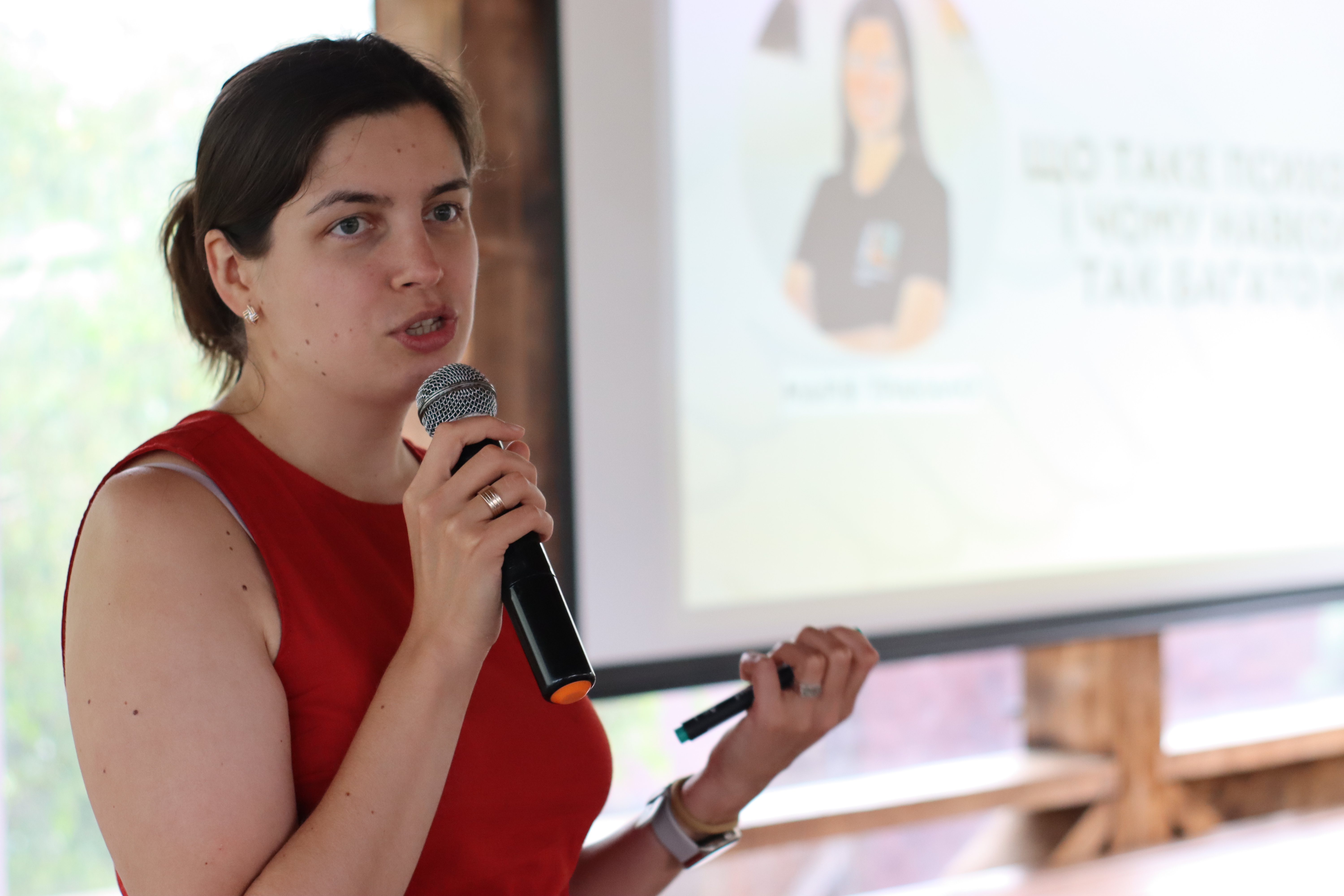
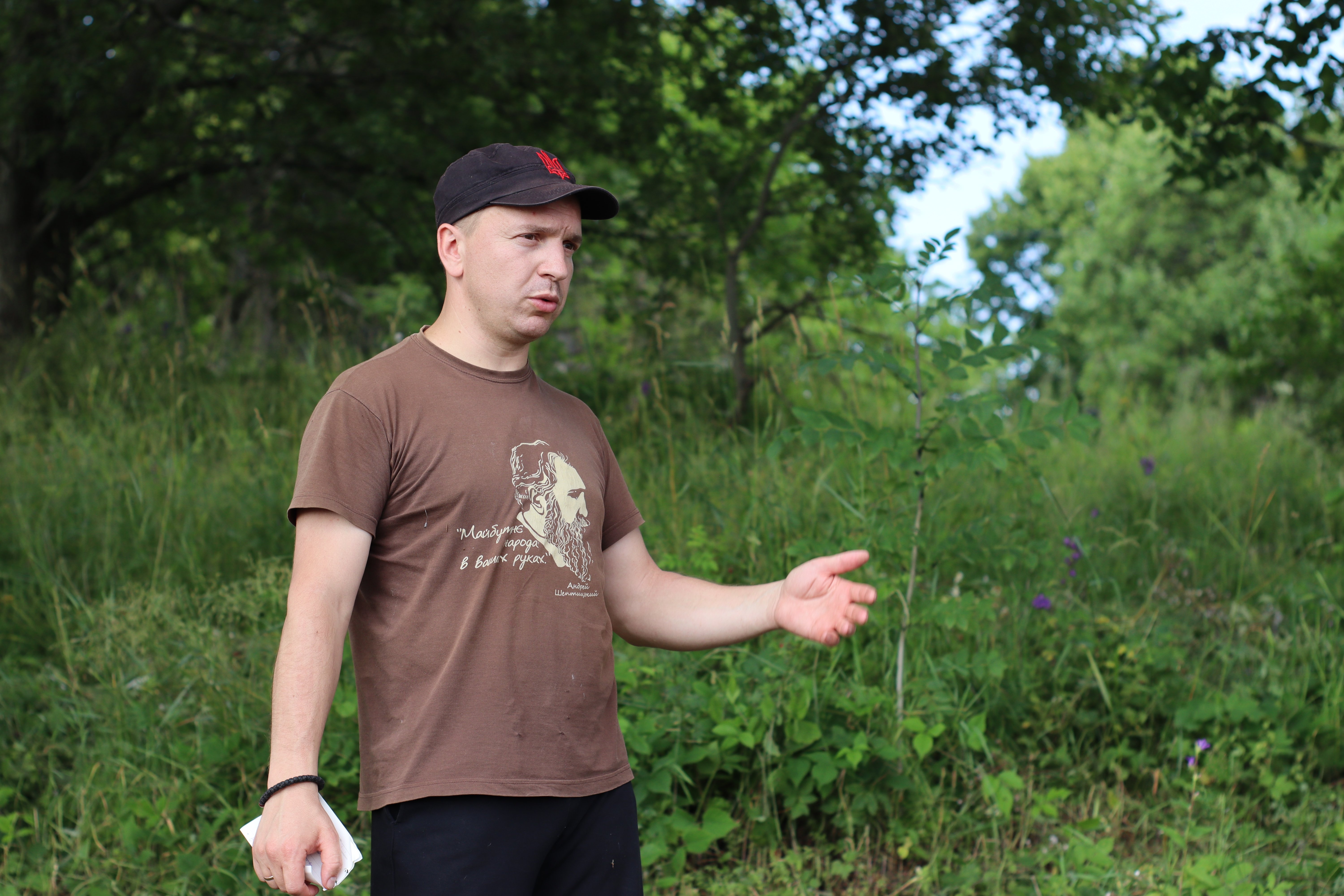
One of the most engaging and thought-provoking sessions was led by psychologist Maria Trakalo. Her presentation challenged common misconceptions about psychological and mental health while exploring the importance of self-care, caring for others, and the relationship between psychology and spirituality. Participants openly asked questions, shared personal experiences, and reflected together on complex life challenges. One of the central messages of the session was that caring for oneself is not an act of selfishness but a necessary foundation for loving, supporting, and serving others.
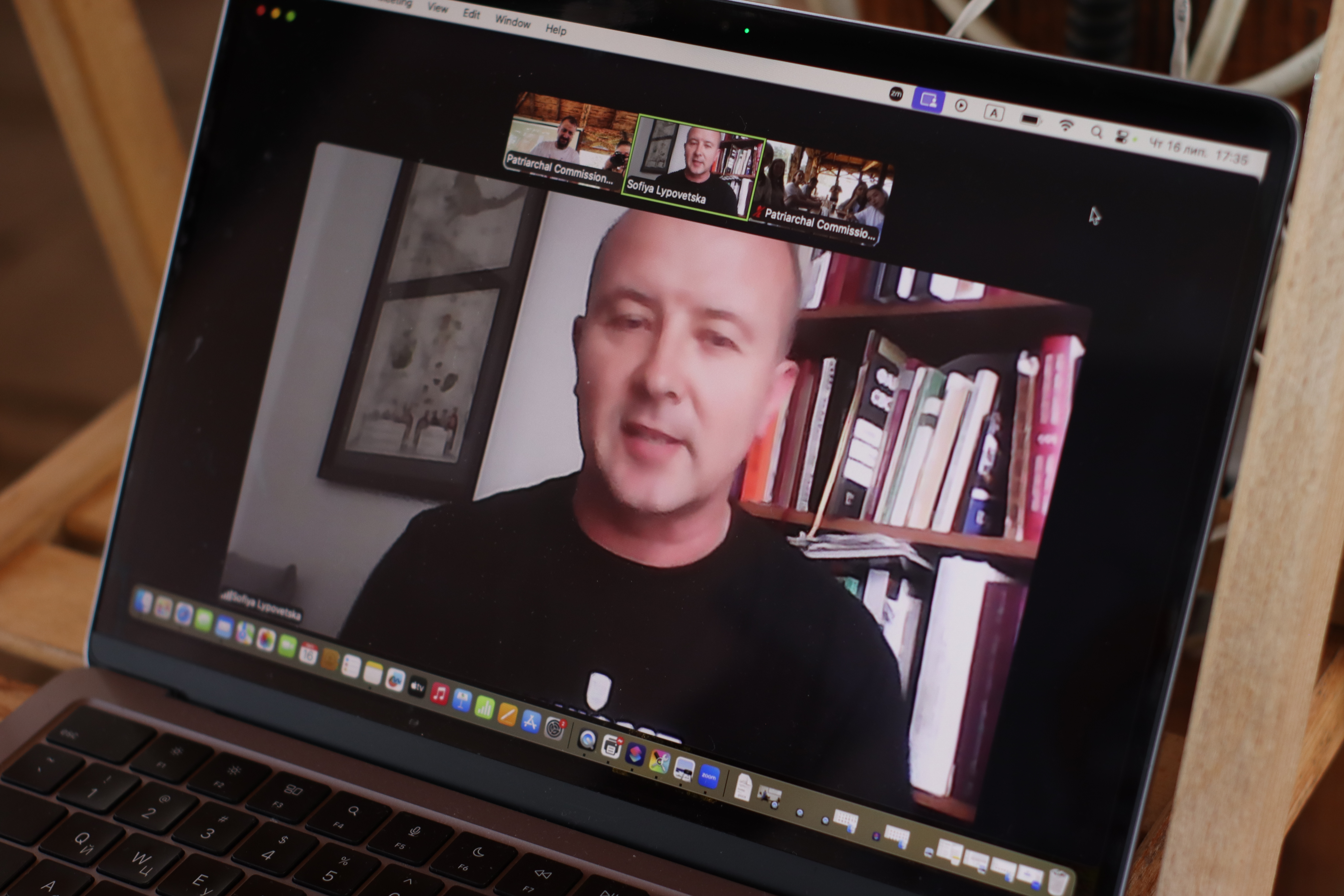
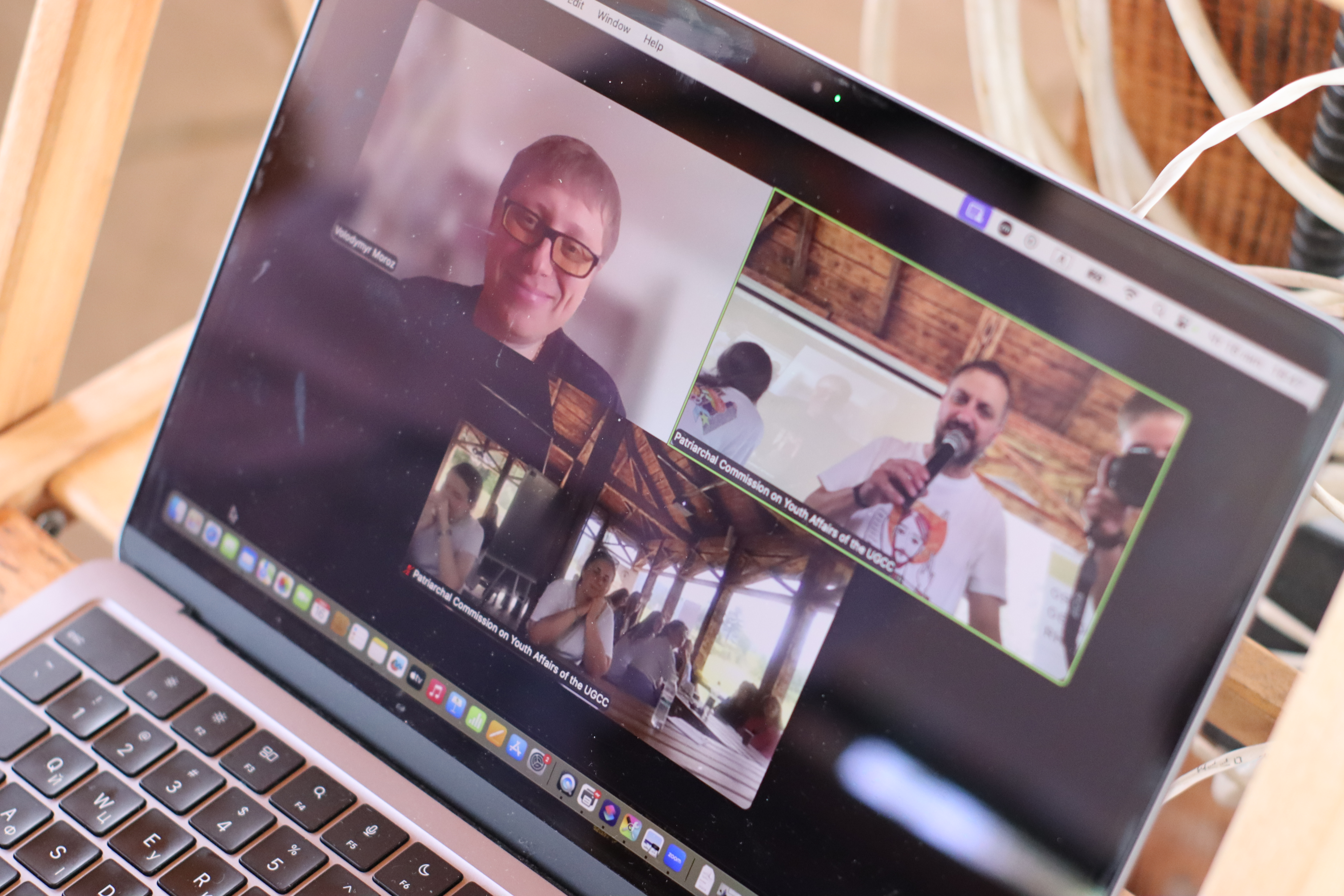
Participants also had the opportunity to deepen their understanding of the history of the Ukrainian Greek Catholic Church and Ukraine through a series of online lectures delivered by renowned historians. One of these sessions was led by Volodymyr Moroz, who invited participants to take a fresh look at the Church's historical journey, its role in preserving Ukrainian identity, and the importance of historical memory in shaping contemporary society.
Historian Sviatoslav Lypovetskyi focused on the ways in which the past continues to shape the present. Rather than simply recounting historical events, he presented Ukrainian history as an ongoing struggle for freedom and statehood. The discussion explored the defining moments that have shaped Ukraine's path and highlighted why understanding historical context, valuing national heritage, and maintaining a living connection with previous generations remain essential today.
Another contributor to the ProLIS program was Fr. Roman Hrom, a priest of the Ukrainian Greek Catholic Church and a graduate of the Patriarchal Commission's MAPA (Youth Apostolate Program). During his session, he spoke with participants about vocation, responsibility, and learning to make important decisions without losing one's inner freedom. The meeting took the form of an open dialogue, with participants asking questions, sharing their own experiences, and reflecting together on the challenges facing young people today.
"Seven principles of conscious citizenship": from values to action
One of the foundational elements of the ProLIS camp was the training program on the "Seven Principles of Conscious Citizenship," made possible through the support of the camp's key partner and a long-standing friend of the Patriarchal Commission of the Ukrainian Greek Catholic Church for Youth—the Ukrainian Educational Platform. Even before the camp began, the organizing team, trainers, and animators completed a specialized training program, learning interactive educational methods designed to engage young people in meaningful conversations about responsibility, active citizenship, and the values of a democratic society. Throughout the camp, participants attended workshops, collaborated in teams, analyzed real-life scenarios, completed practical exercises, engaged in discussions, and searched together for answers to the questions shaping Ukraine's future.
The training curriculum was built around seven core principles of conscious citizenship.
The first principle, "Together, We Are the Authority," encouraged participants to recognize that the state begins not with government institutions but with the responsibility of each individual citizen. Ukraine changes when every person takes responsibility for the common good and actively contributes to the life of their community.
The second principle, "Values and Lifestyle," explored how everyday personal choices shape not only an individual's character but also the culture of society as a whole. Participants reflected on what it means to live consistently according to their values while remaining faithful in their service to God, to others, and to their country.
The third principle, "Democracy Is the Foundation of a Strong State," highlighted the importance of citizens' participation in decision-making, as well as the role of mutual trust, dialogue, and cooperation in building a healthy democratic society.
The fourth principle, "Human Rights Are the Foundation of Our Actions," emphasized the inherent dignity of every person and the responsibility each individual bears to protect the rights and freedoms of others, fostering a society rooted in justice and mutual respect.
The fifth principle, "There Is No 'They Are the Government' and 'We Are the Citizens'," challenged participants to rethink their own role in building the state. Together, they reflected on how to move from being passive observers to becoming active agents of change, recognizing that a strong country is built by conscious citizens who are willing to take initiative rather than simply wait for others to act.
The sixth principle, "You Are a Maker of Public Policy," invited participants to broaden their understanding of politics. They discovered that politics is not limited to government institutions or political parties—it begins with the responsible decisions people make every day within their families, communities, parishes, schools, universities, and workplaces. To be a maker of public policy means not standing on the sidelines but actively shaping society through personal involvement, initiative, and a willingness to take responsibility.
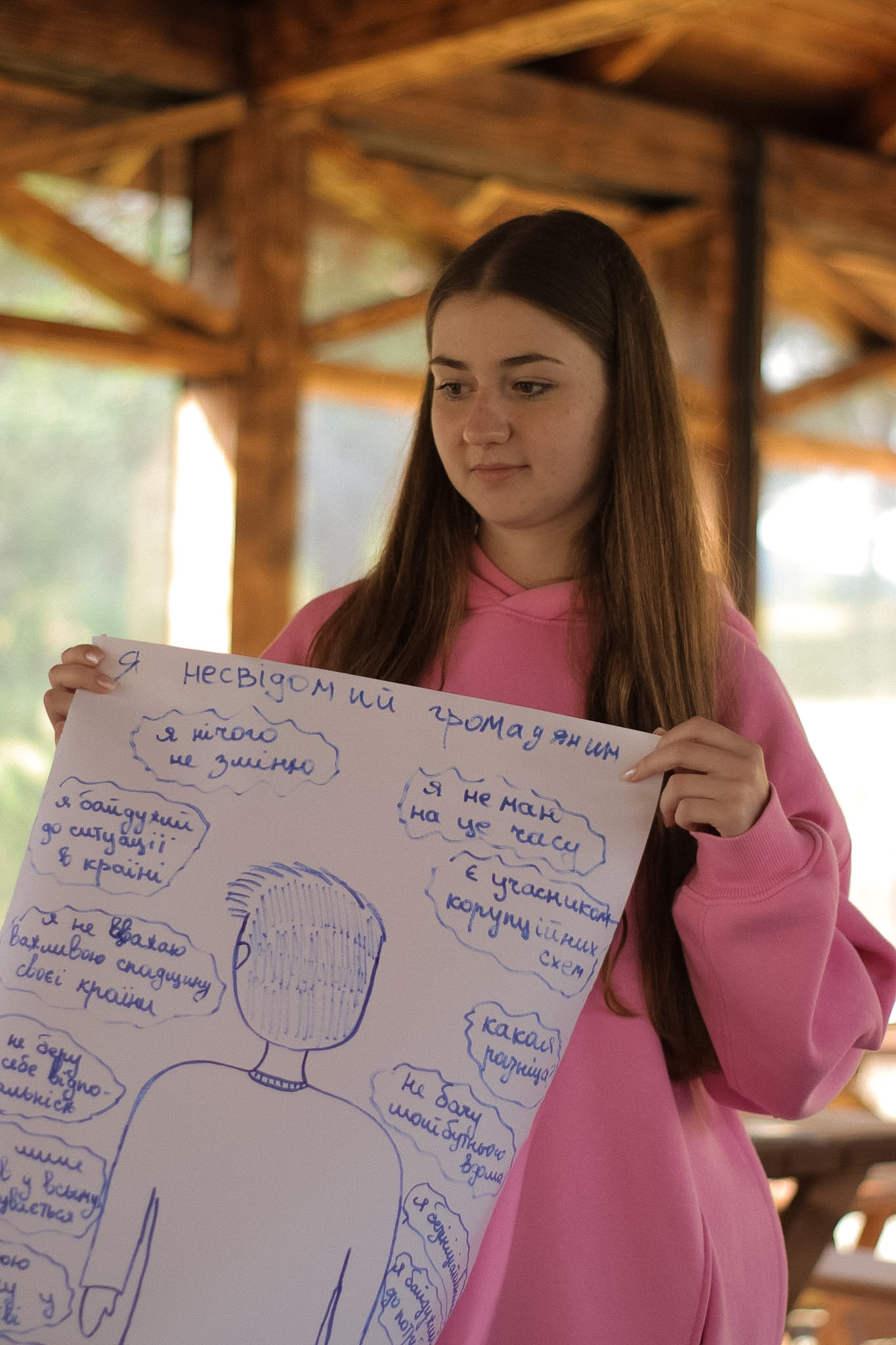
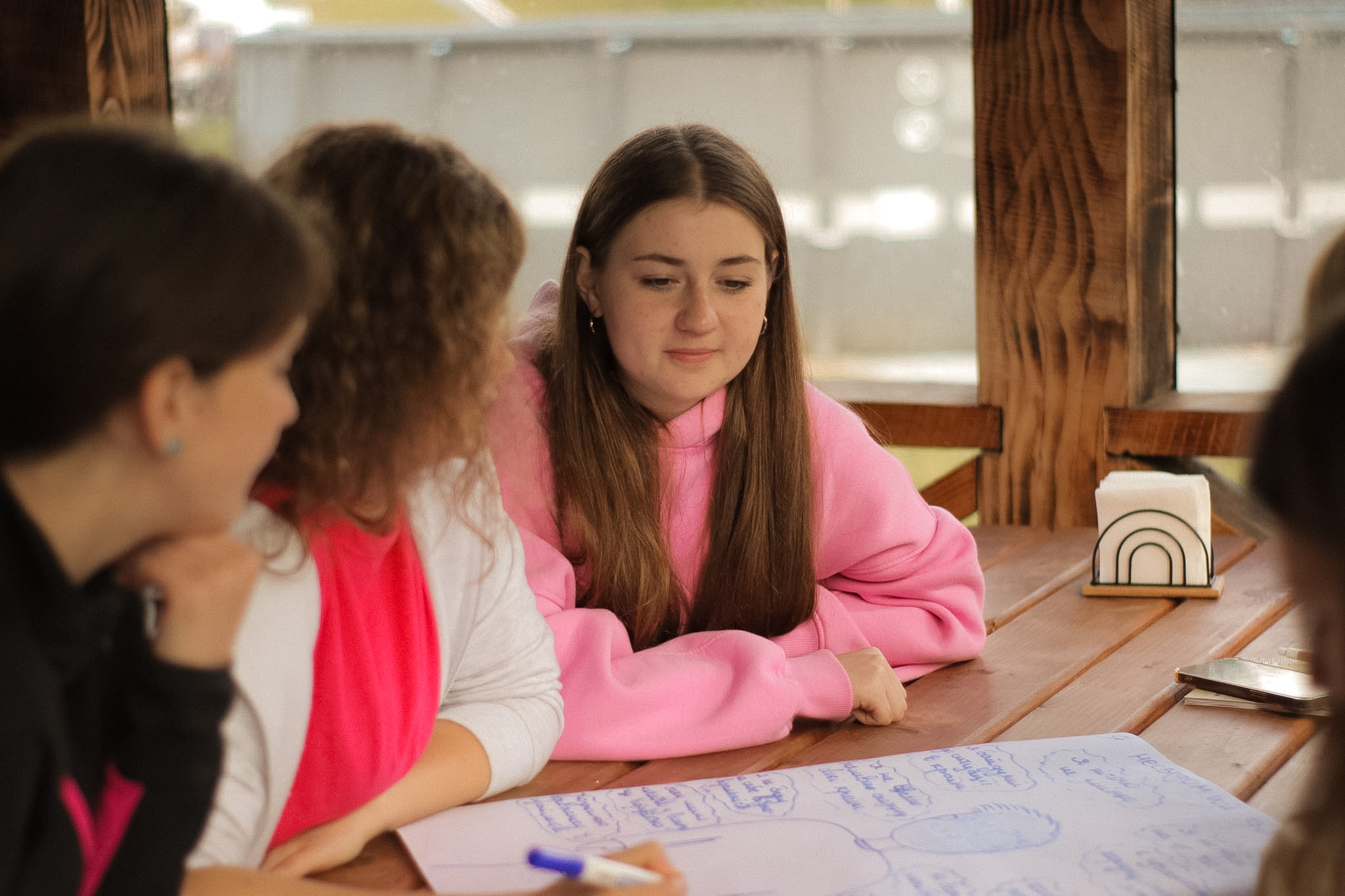
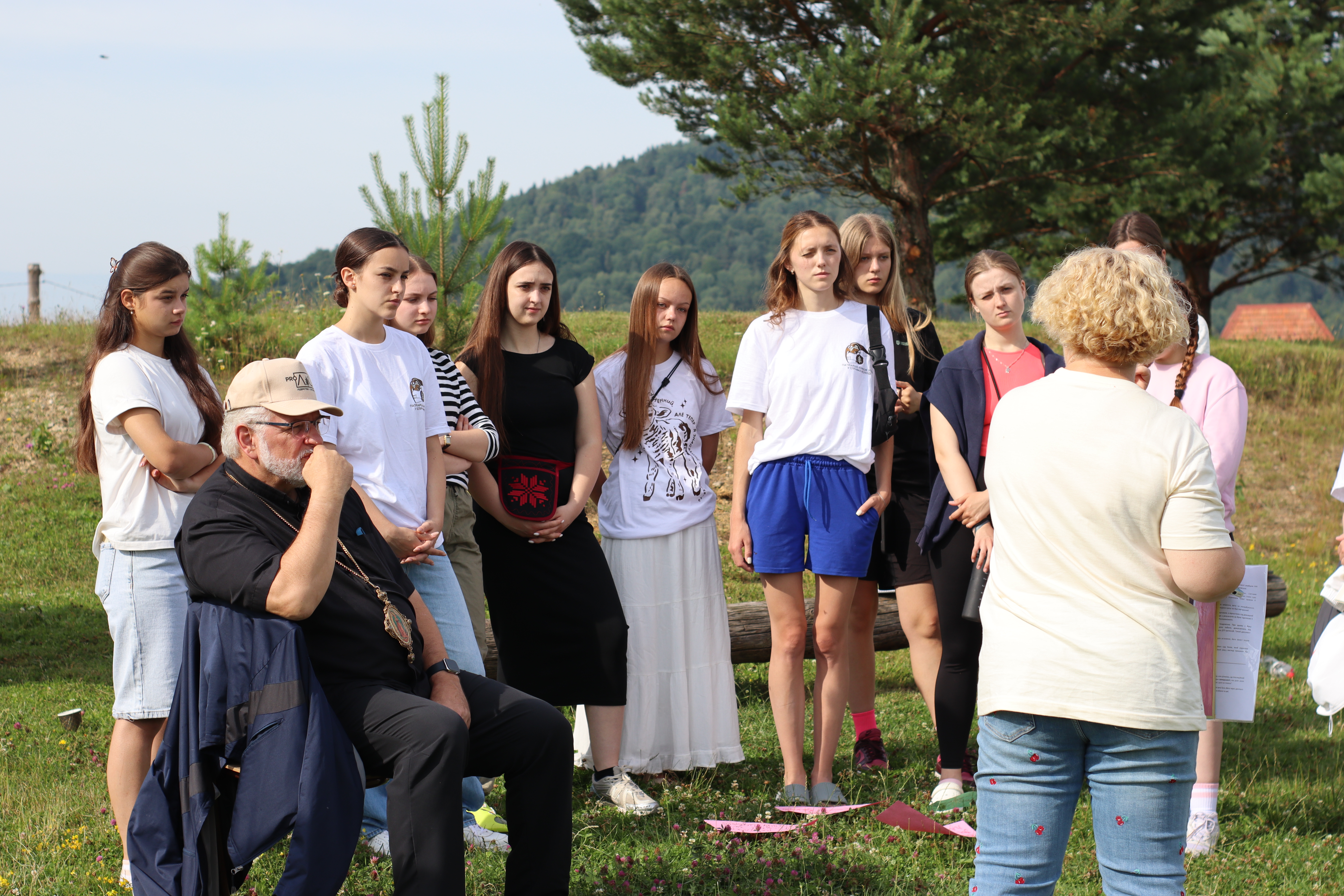
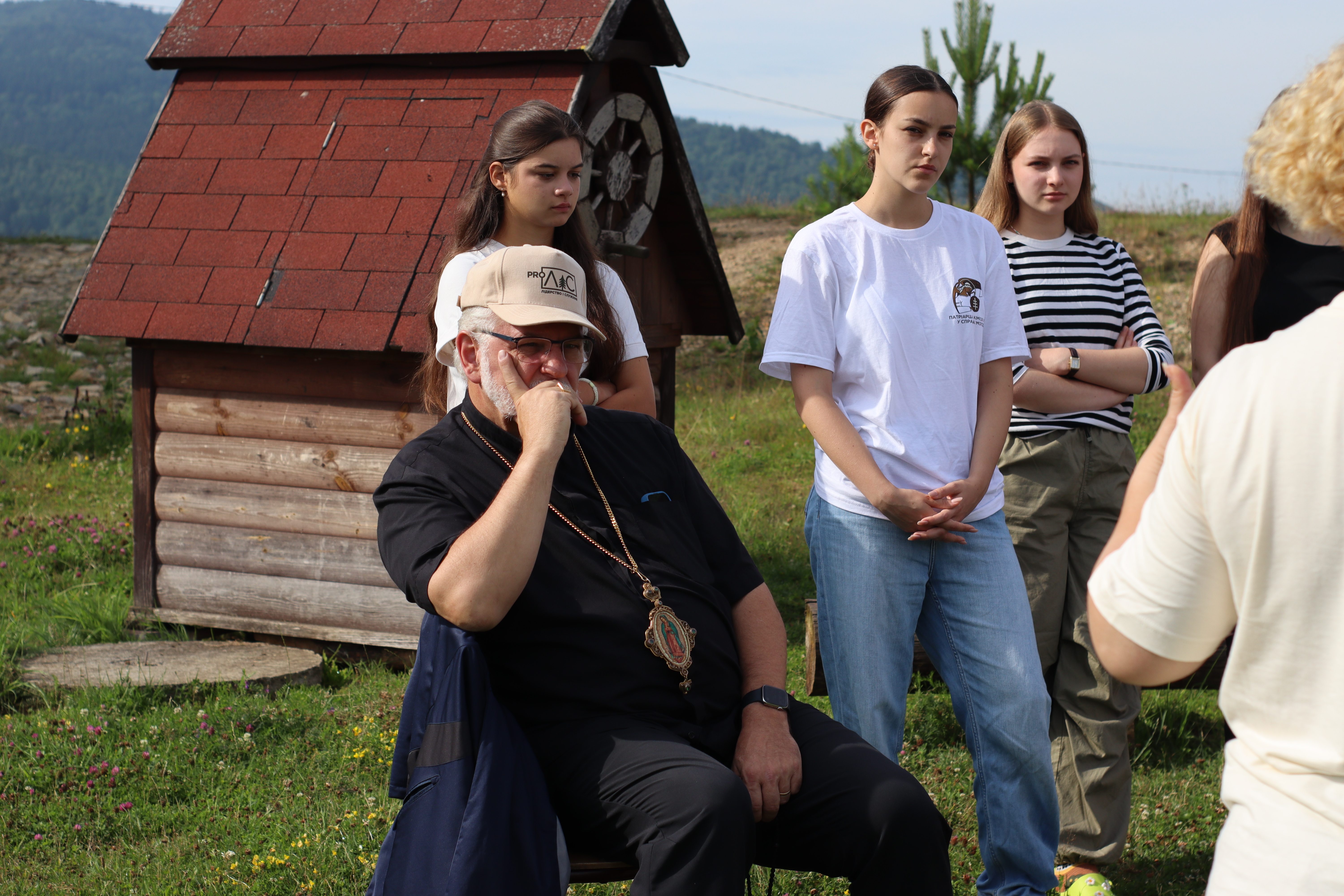
The seventh principle, "Give People the Tools, and They Will Use Them," emphasized that active citizenship requires more than motivation—it also depends on practical knowledge and skills. Participants explored concrete ways to make a positive impact in their communities, implement initiatives for the common good, and inspire others to become actively involved.
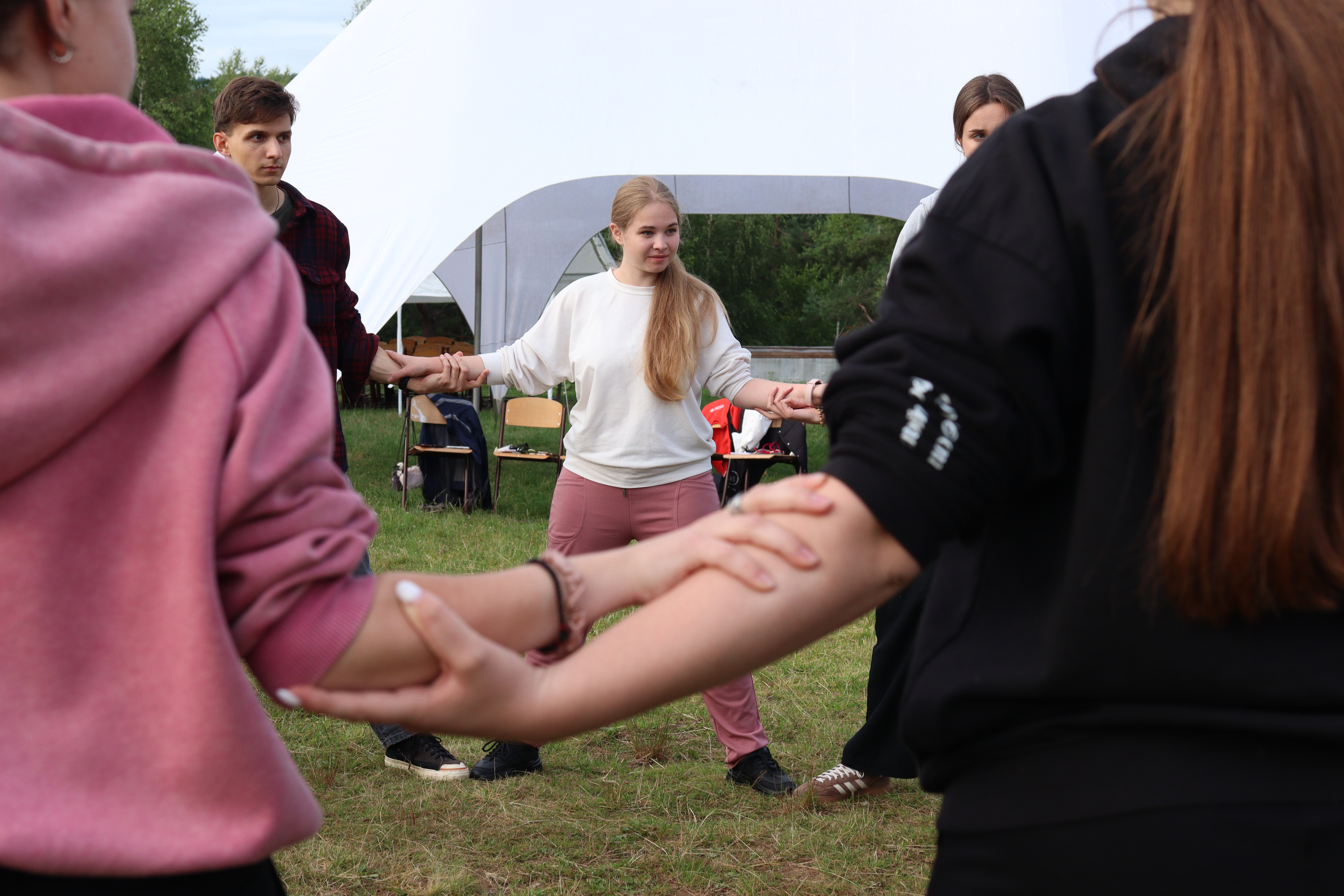
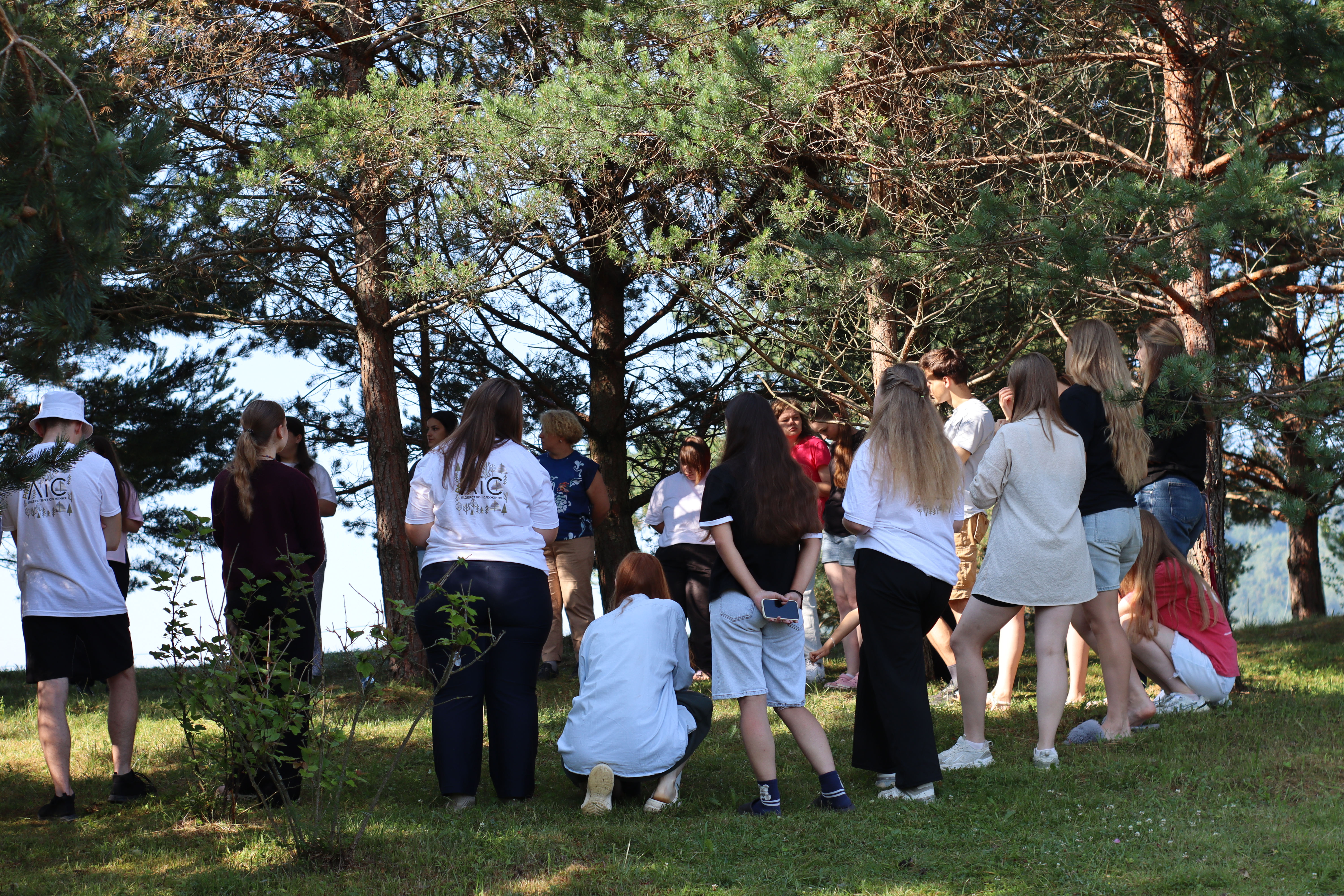
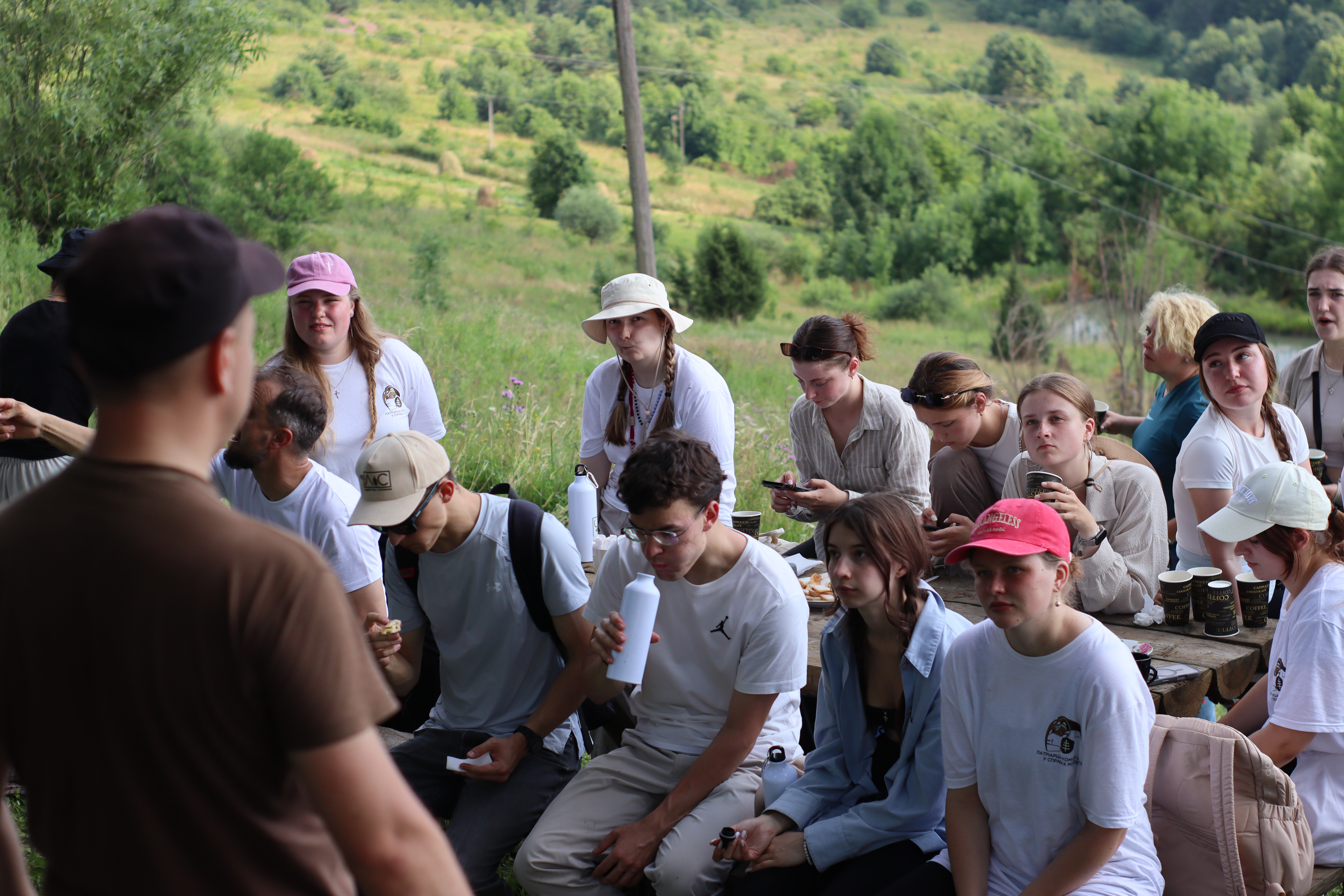
What made the training especially meaningful was its highly interactive format. After each principle was explored through practical exercises, role-playing activities, and collaborative tasks, participants were rarely ready to end the session. Instead, these moments gave rise to the most profound conversations. Young people shared their experiences of serving in their communities, spoke honestly about the challenges they faced, discussed possible solutions, sought advice from one another, and worked together to identify effective ways forward.
These sincere conversations became one of the most valuable outcomes of the training program. For many participants, the experience transformed the way they viewed their own role in society and helped them recognize their personal responsibility for creating positive change. During the final reflections, many shared that they no longer saw themselves as passive observers but as people genuinely capable of influencing their communities and contributing to the future of Ukraine.
This awakening of personal responsibility became one of the greatest fruits of the ProLIS Worldview Camp. Its purpose extends far beyond sharing knowledge—it seeks to form a generation of young people who believe in their ability to transform their communities, strengthen the Church, and shape the future of Ukraine, beginning with themselves.
A time of renewal for those who serve others
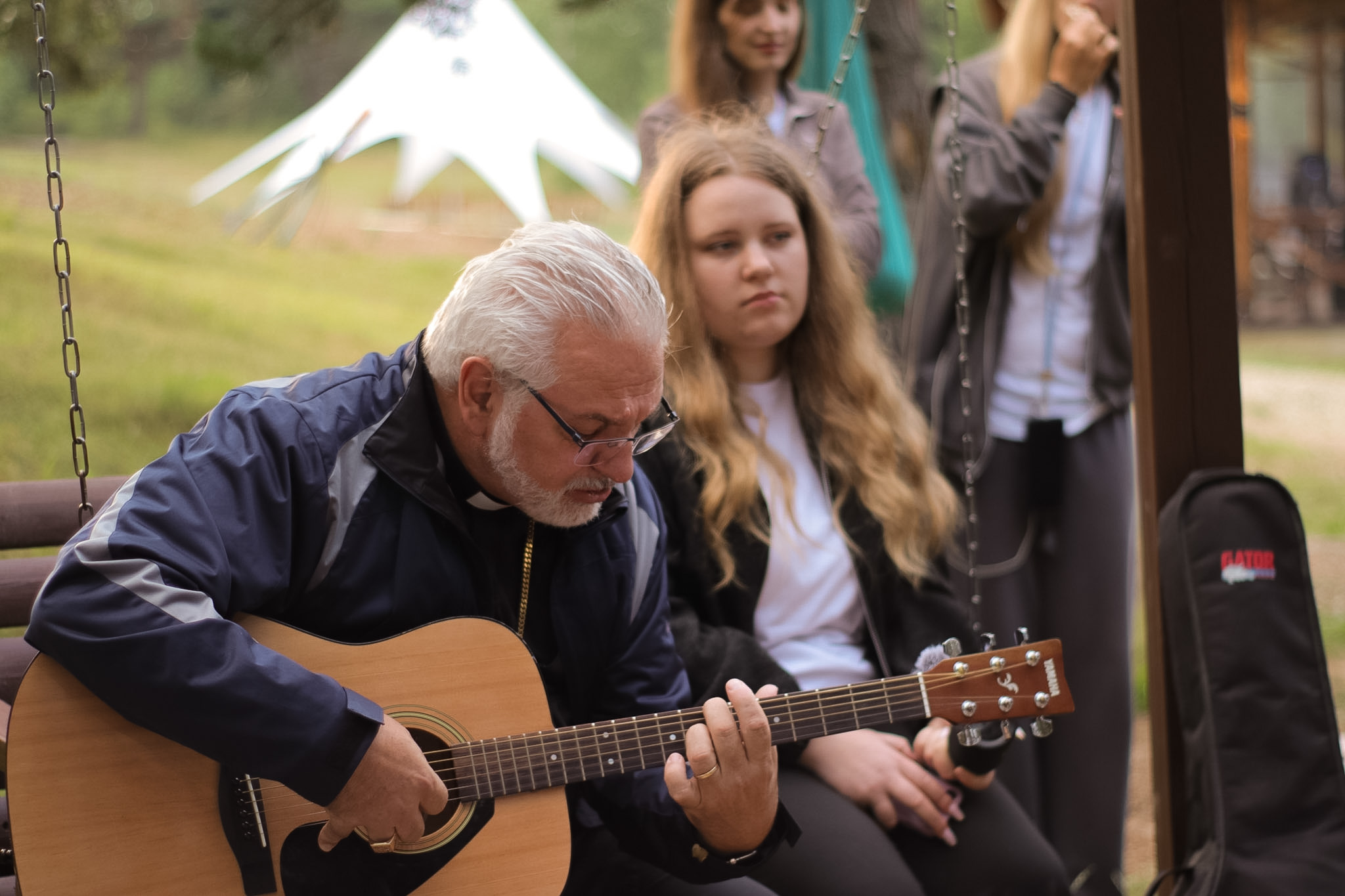
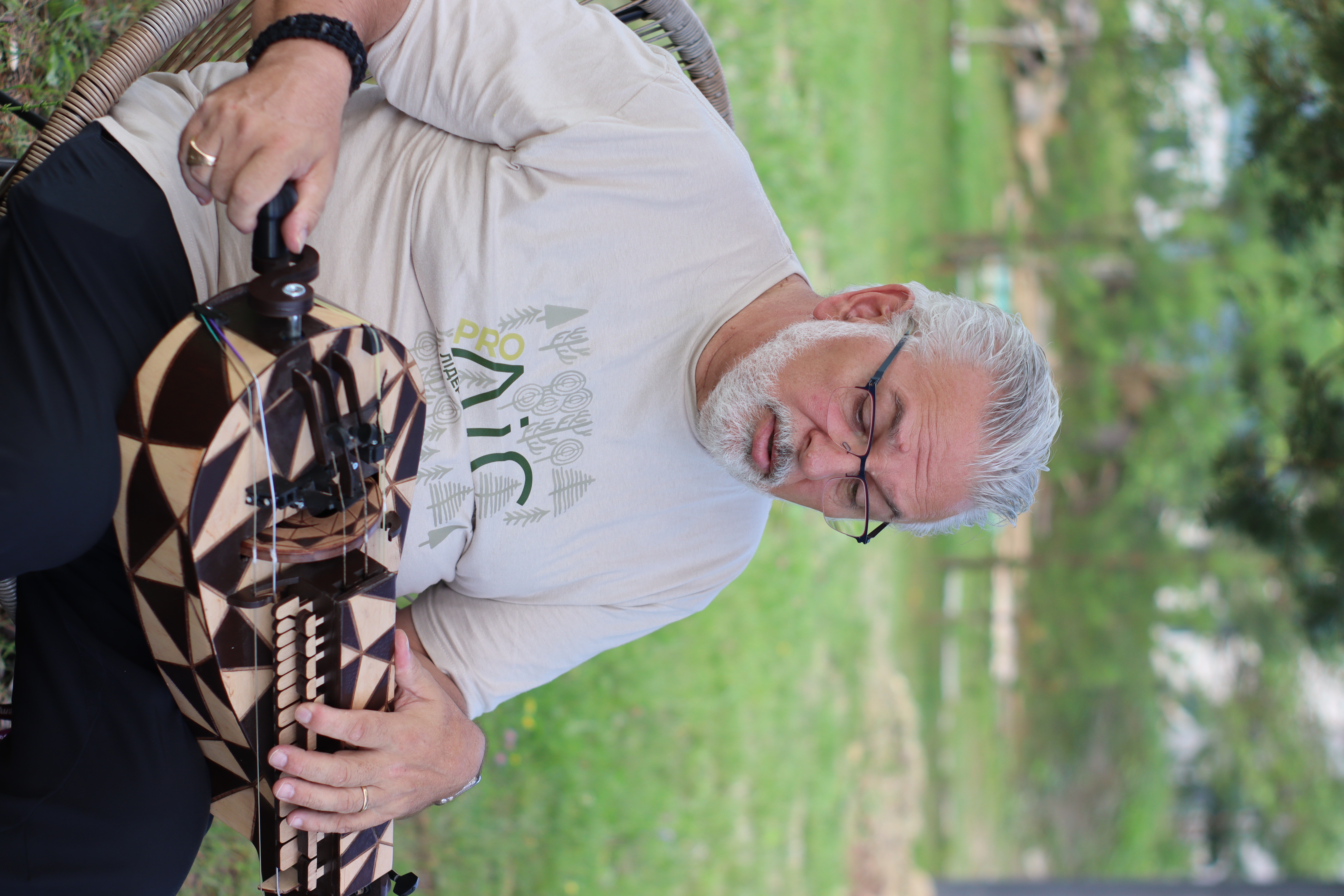
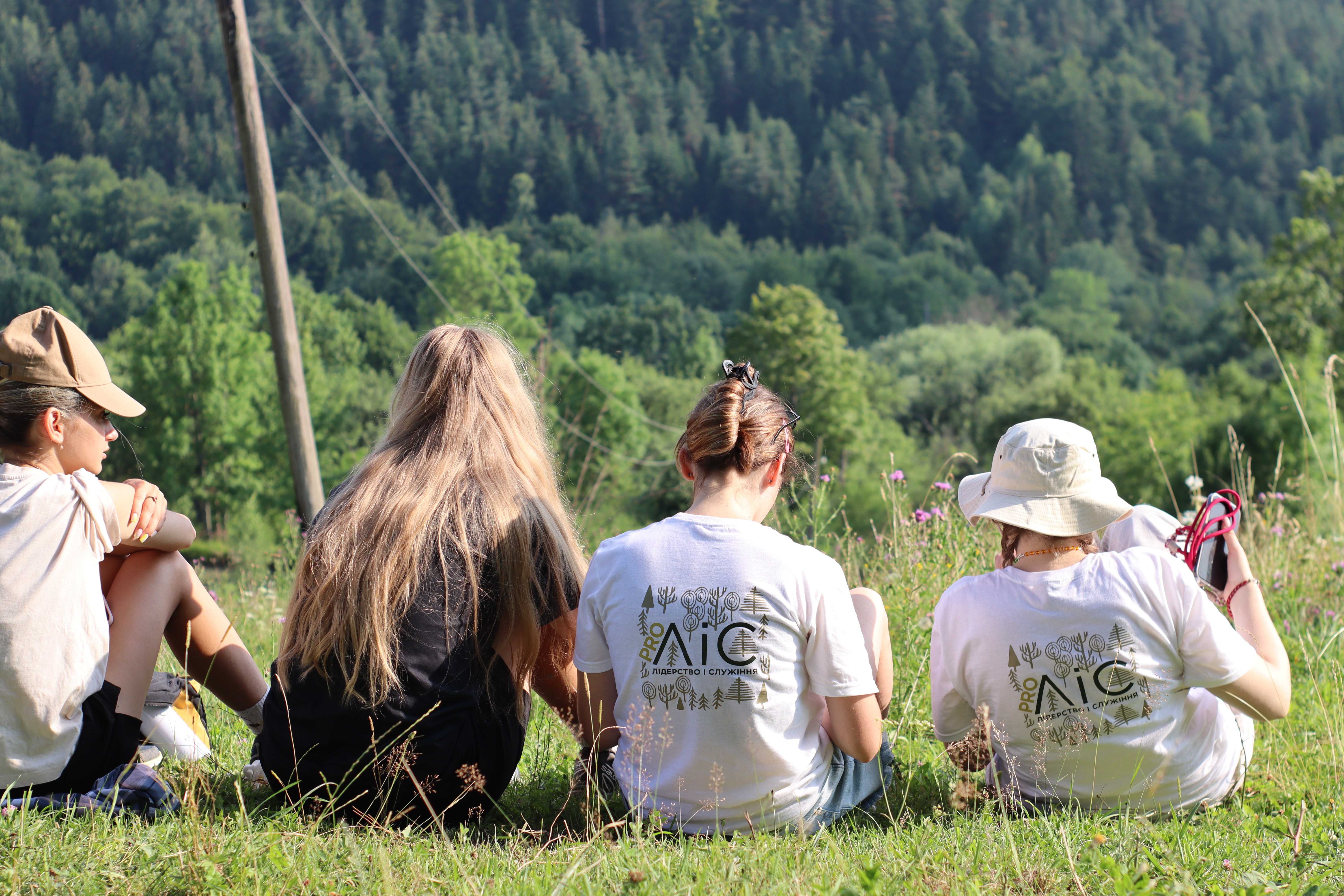
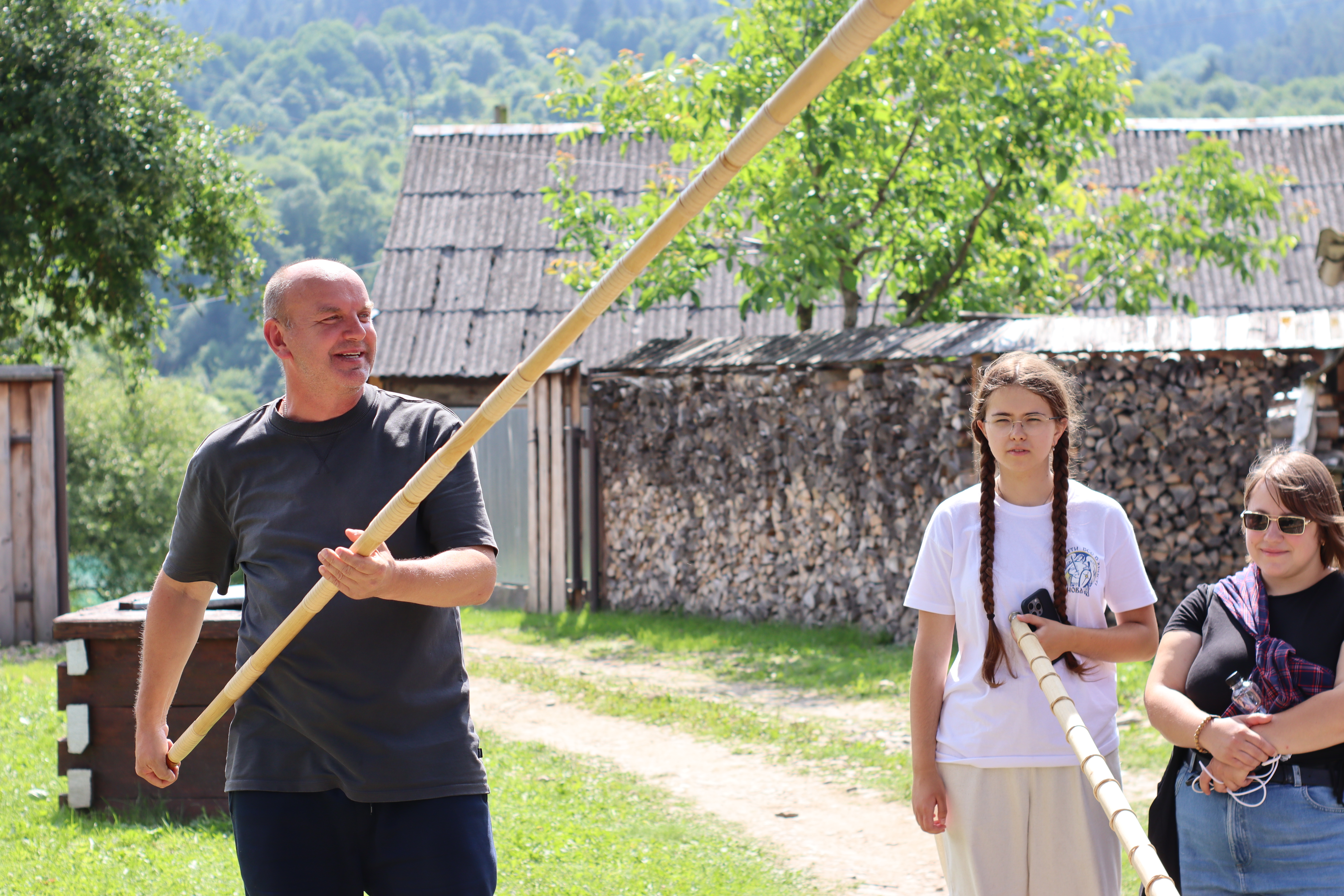
Beyond the educational program, participants spent meaningful time together through conversations, team-building games, evenings around the campfire, and moments of genuine fellowship. One particularly memorable experience was an encounter with Mr. Yaroslav, who introduced the group to the history and tradition of the Ukrainian sopilka, a traditional wooden flute. Participants learned about the instrument's different varieties, listened to its distinctive sound, had the opportunity to try playing it themselves, and later gathered to sing Ukrainian songs accompanied by guitar.
On two evenings, the group came together around the campfire. These gatherings became a space for especially sincere conversations, where participants shared their personal experiences, reflected on the challenges they face while serving in their communities, spoke about living through the realities of war, and expressed the hopes and dreams that continue to inspire them. The campfires fostered an atmosphere of trust, mutual support, and genuine community.
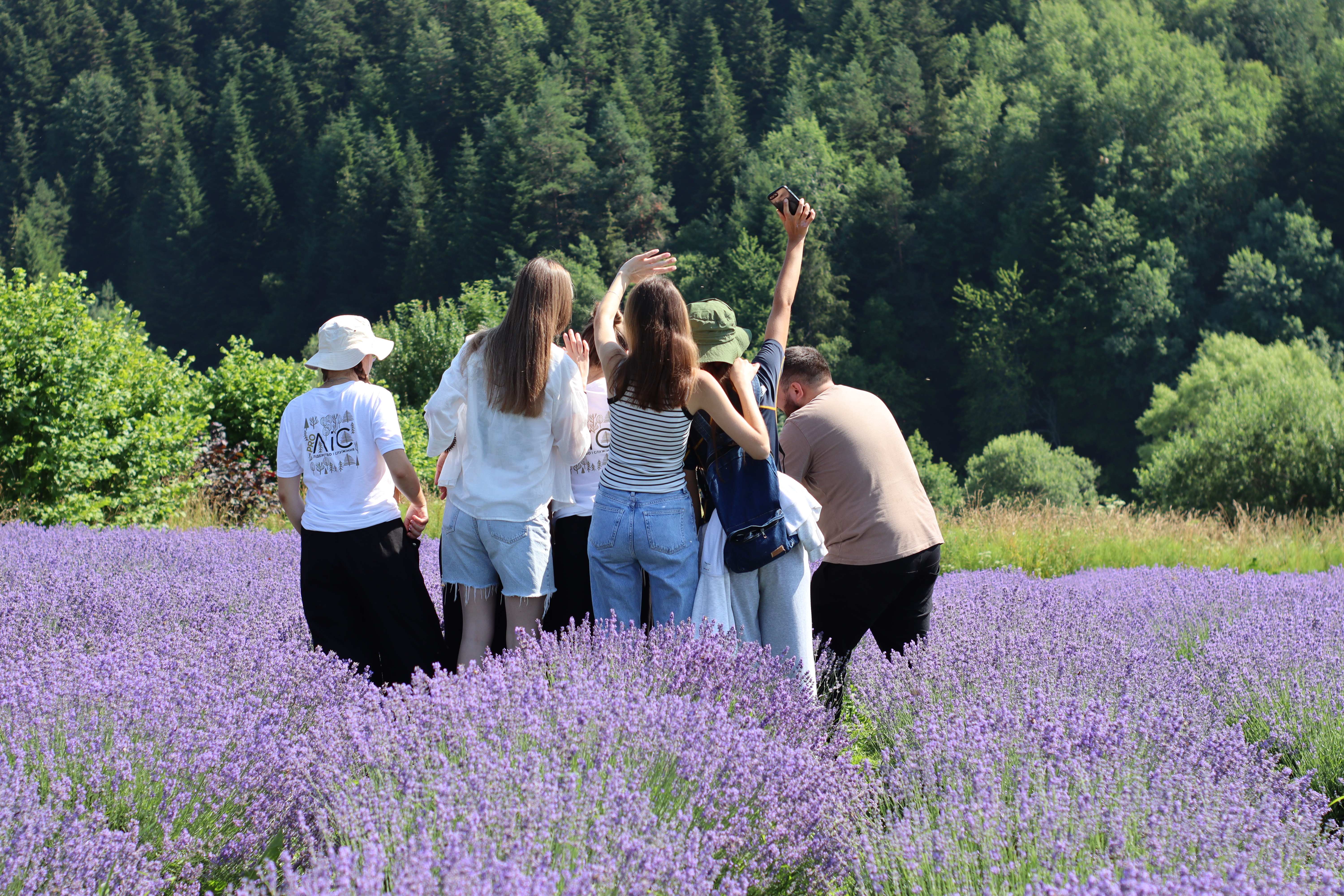
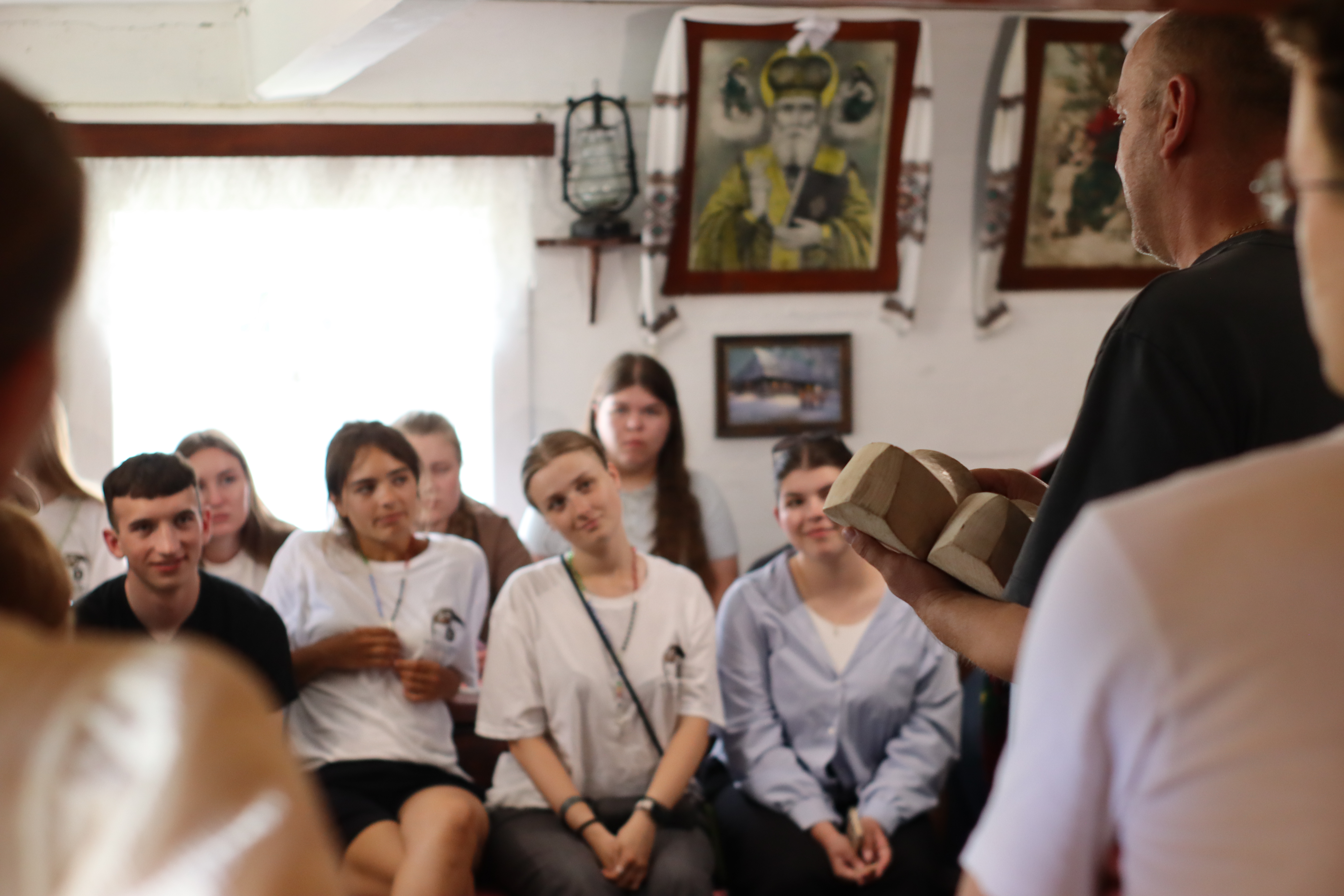
The program also introduced participants to the rich cultural heritage of the Boyko region. They visited a lavender field and toured the home museum of a local artist, Mr. Ivan, where they learned more about the history, traditions, and everyday life of the Boyko people, gaining a deeper appreciation of this unique part of Ukraine's cultural heritage.
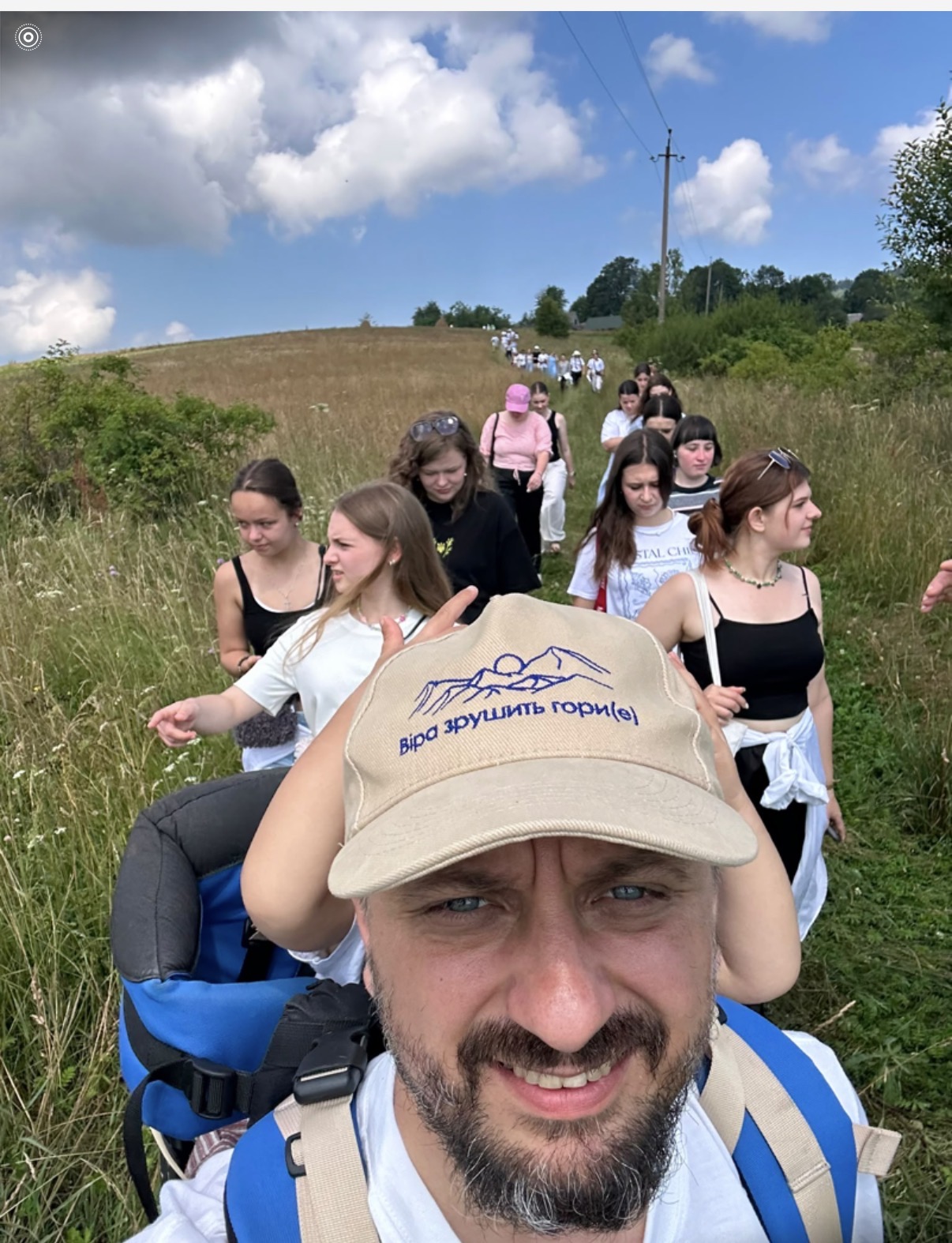
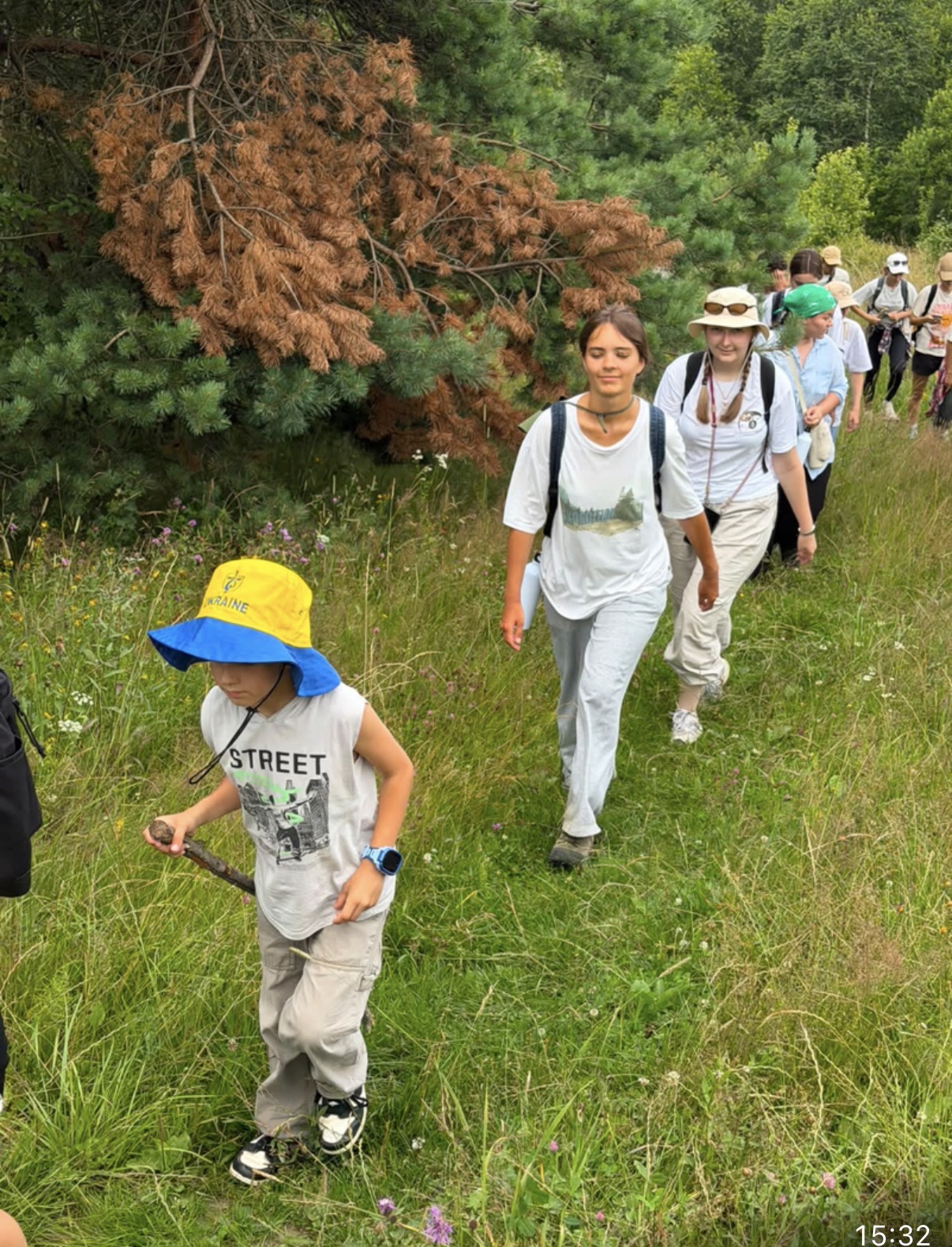
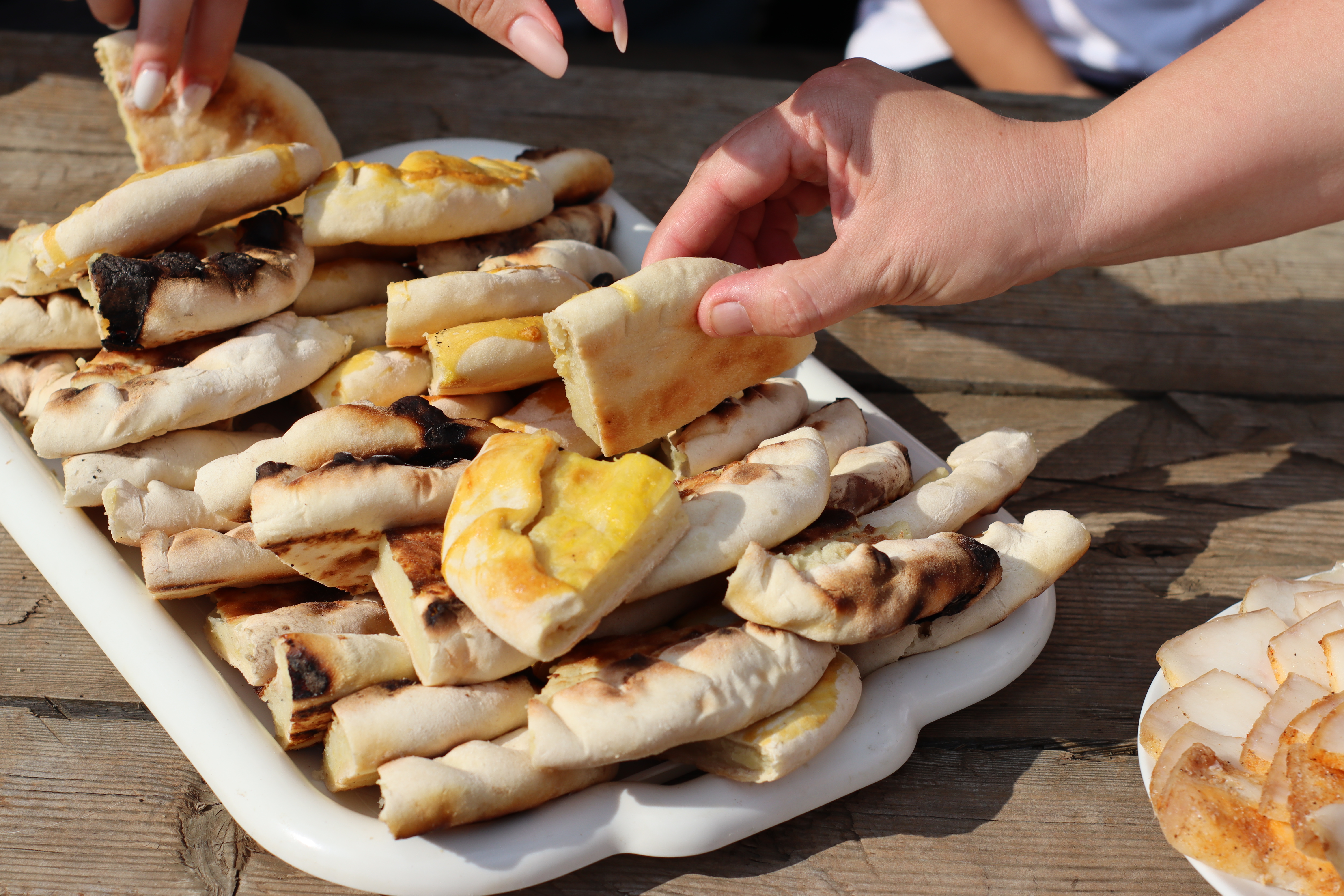
One of the most memorable experiences of the camp was a mountain hike led by Fr. Roman Hrom. The route, known as "Boyko Wanderings", was created by Fr. Roman and his wife and led participants to a remote hamlet where only seven permanent residents live today. Along the way, the young people witnessed a traditional way of life that has been carefully preserved, seeing how local families continue to work the land and live in harmony with nature. The hosts warmly welcomed the group and treated them to traditional Boyko dishes, offering a heartfelt example of the hospitality and generosity of the local community.
On their way back, the participants visited a church that preserves a remarkable chapter of Ukrainian history. During Ukraine's struggle for independence, the church concealed a hidden bunker used by fighters of the Ukrainian Insurgent Army (UPA). Participants had the opportunity not only to see this historic site but also to learn about the courage of those who risked their lives in the fight for Ukraine's freedom. The visit became a powerful reminder of the profound connection between faith, sacrifice, and the pursuit of independence, while helping participants appreciate more deeply the price that generations of Ukrainians have paid for freedom.
The journey concluded with a visit to Nanashkova Khata, a traditional Boyko homestead museum, where participants immersed themselves even further in the culture of the Boyko region. Mr. Vasyl Kurii introduced the group to the customs, daily life, crafts, and traditions of Boyko communities, revealing the richness of this unique cultural heritage. For many participants, the experience became not only an encounter with the past but also a reminder that preserving Ukraine's cultural identity is an essential part of building its future.
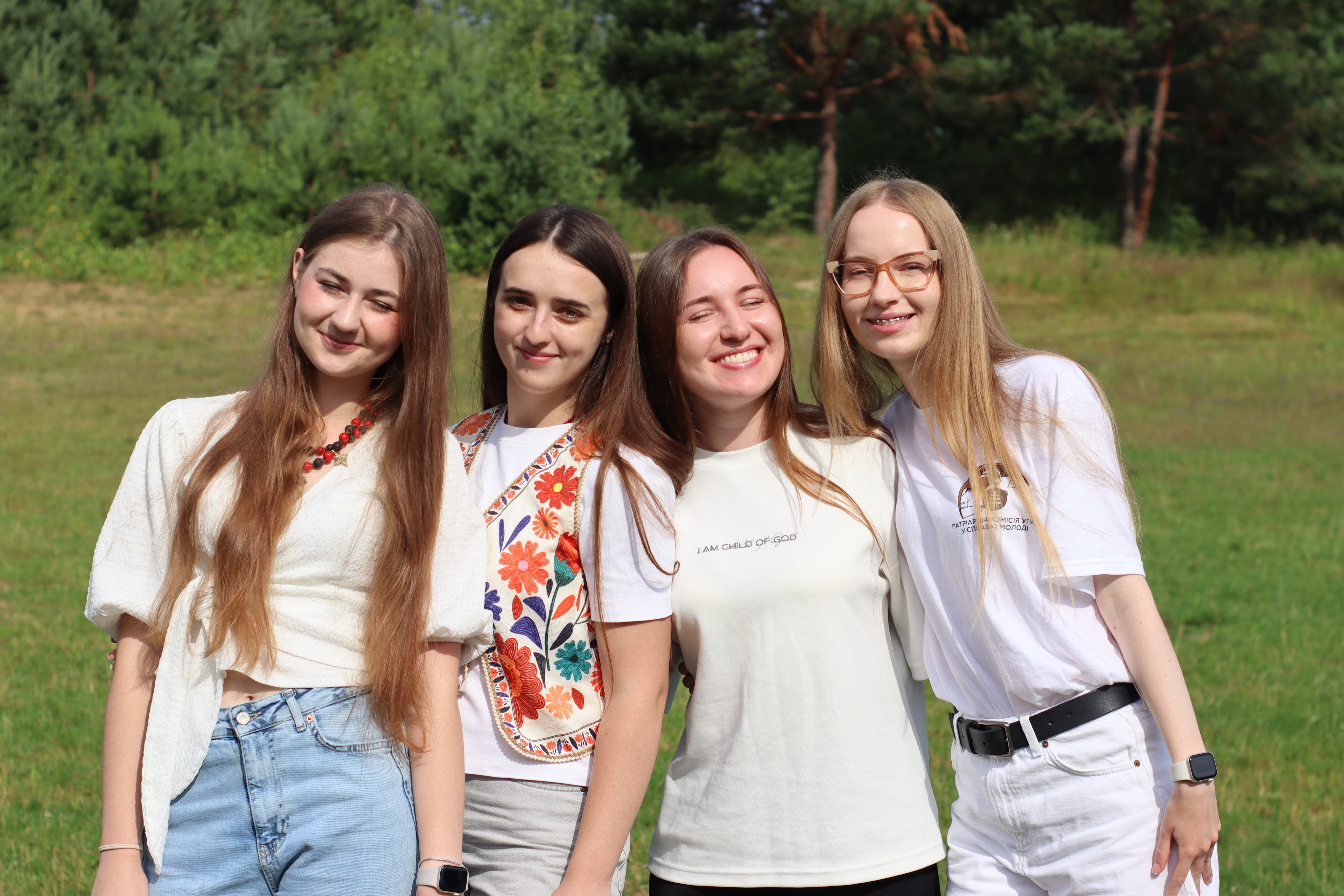
During the final reflection sessions, participants repeatedly emphasized how meaningful the ProLIS experience had been for them. Many noted that it was one of the very few camps designed specifically for those who spend the rest of the year organizing youth events, leading camps, facilitating formation programs, and serving young people in their communities. More often than not, animators, catechists, youth ministers, and community leaders are the ones responsible for planning programs, accompanying participants, and caring for others, while rarely having the opportunity to step back, become participants themselves, and invest in their own personal and spiritual growth.
For this reason, ProLIS became a time of renewal, new discoveries, and a fresh perspective on their vocation to serve. Participants returned to their communities not only with new knowledge and practical ideas, but also with a renewed sense of encouragement, deeper motivation, and the confidence that their daily service truly matters and contributes to shaping the future of both young people and Ukraine.
The ProLIS camp was made possible thanks to the generous support of benefactors and donors who believed in the value of this initiative. The organizers are especially grateful to Bishop Bryan Bayda, who personally provided financial support for the project, as well as to the Knights of Columbus Council in Toronto, the Healing the Wounds of War in Ukraine Fund, CNEWA (Catholic Near East Welfare Association), and the Commission's long-standing partner, the Ukrainian Educational Platform.
Photos by Sofia Kostenko
Prepared by Nataliia Pavlyshyn
ПІДТРИМАЙТЕ ДИВЕН СВІТ
проєкту

ЧИТАЙТЕ ТАКОЖ